
About the event
Details
When: Tuesday, April 28, 2026
Location: 100 Ivan Allen Jr. Blvd. SW ATL GA 30030
Time: 3:30 -5:00 PM EST
Arts Health & Human Rights
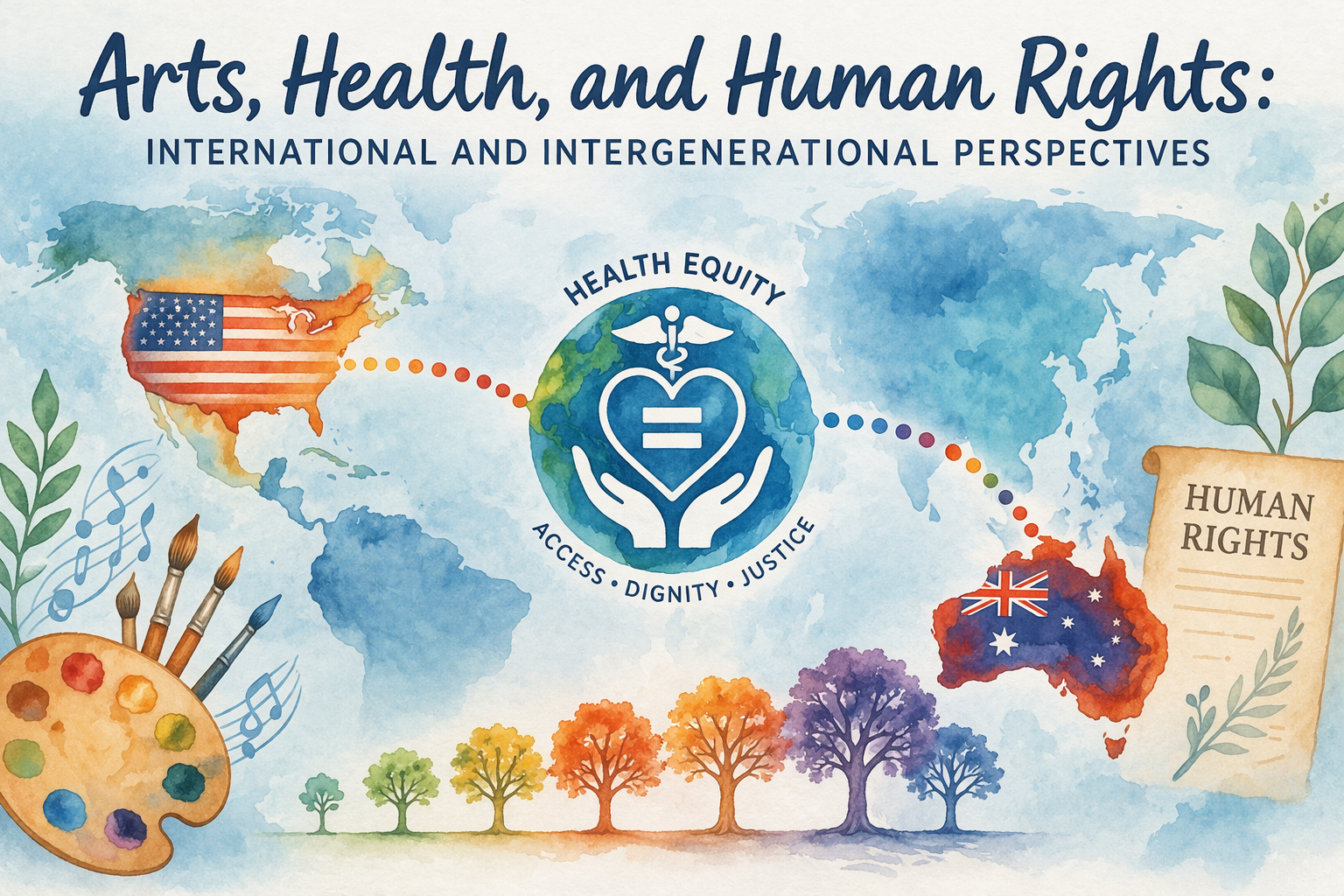
Join the LGBTQ+ Institute at the National Center for Civil and Human Rights and Performance Hypothesis, LLC for an inspiring conversation exploring how the arts can serve as a bridge between health, healing, and human rights across generations and across borders. Bringing together international leaders, researchers, clinicians, artists, and young advocates, this dialogue will examine how creativity and cultural expression can advance wellbeing, strengthen communities, and confront inequities.
Featuring reflections from Chansey Paech (Australia Parliament), Dr. Courtney Ryder (Injury Epidemiologist), Dr. James Smith (Health Equity Researcher), Dr. Jaqui Hughes (Leading Renal Care Nephrologist), Dr. Christophe Jackson (Clinician, Researcher & Pianist), and fellows from the Institute’s National Youth Advocacy Corps, this intergenerational exchange invites participants to consider how art, storytelling, music, and advocacy can help build healthier, more just futures.
Key organizers
-
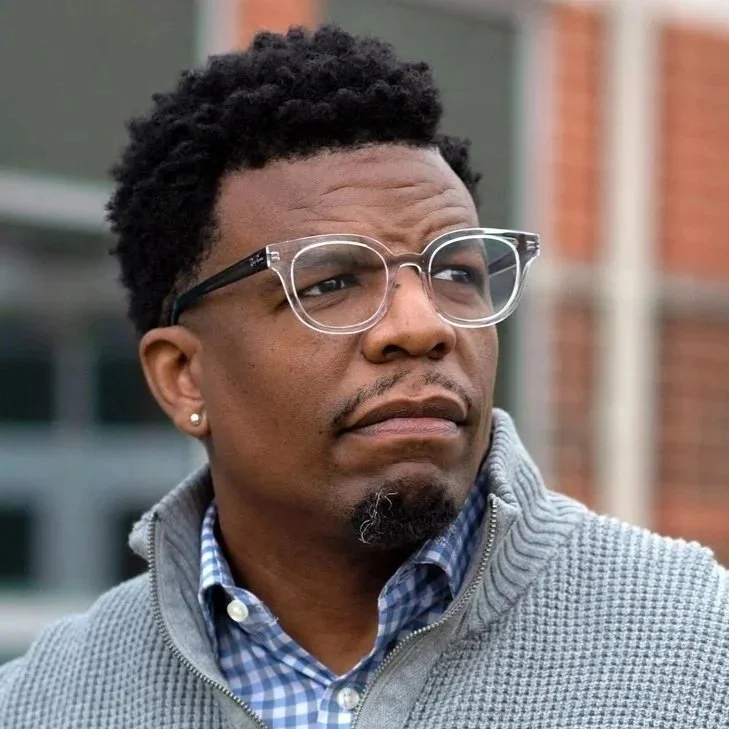
Tim’m T. West (he/they) is an educator, researcher, writer, and movement leader with more than twenty-five years of experience advancing youth leadership development, civic engagement, and social justice education. As Executive Director of the Rustin Institute for Leadership Development (formally the LGBTQ+ Institute at the National Center for Civil and Human Rights), he founded the National Youth Advocacy Corps, the Georgia Youth Advocacy Fellowship, and YOU(th) Belong—innovative programs that equip LGBTQ+ young people with the tools to lead, organize, research, and advocate for change. His work centers intergenerational leadership, helping youth and adults build stronger movements through mentorship, political education, and community care.
West has also taught at institutions including Stanford University, Humboldt State University, Houston Community College, and Oakland School for the Arts, where his courses explored race, gender, sexuality, philosophy, literature, hip hop, and critical thinking. Across both higher education and nonprofit settings, he is known for creating transformative learning spaces that invite students to connect scholarship with lived experience and public action. His research and writing examine masculinity, Black queer identity, HIV/AIDS, educational equity, and the power of culture and language in movements for justice.
A widely published author and scholar, West’s work has appeared in books, journals, and anthologies, and he is the author of multiple poetry collections and memoirs. He is also a nationally recognized speaker and facilitator who has delivered lectures, trainings, and keynote addresses at universities, nonprofits, and conferences across the country. Through every facet of his work, Tim’m remains committed to nurturing courageous, compassionate leaders who can imagine and build a more just future.
-
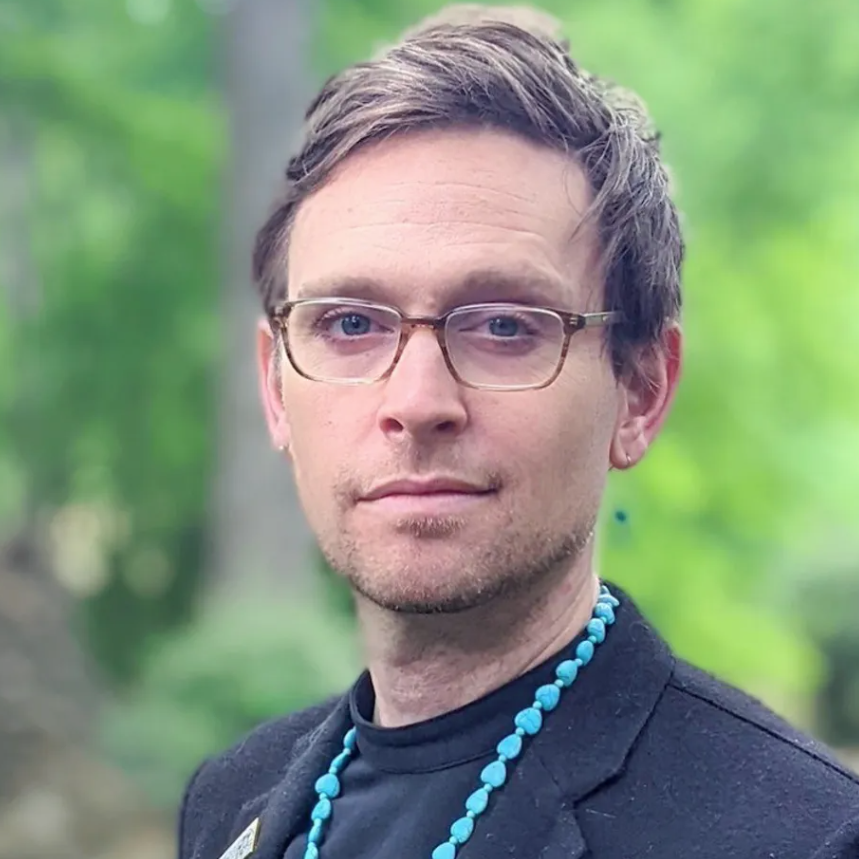
Marcel Foster (they/them) is the CEO & Co-Founder of Performance Hypothesis, which provides strategy consulting & evaluation for arts & health initiatives. Clients include Emory Healthcare, NYC Health + Hospitals, Minnesota State Arts Board, Bloomberg Philanthropies, the National Endowment for the Arts, and others. The firm led the Georgia House Resolution 1007, which was the nation's first legislation to address how the arts improve mental health outcomes.
Marcel serves as the Chair for the Arts Group for the American Evaluation Association and will their DPhil in Translation Health Sciences at Oxford University this fall.
-
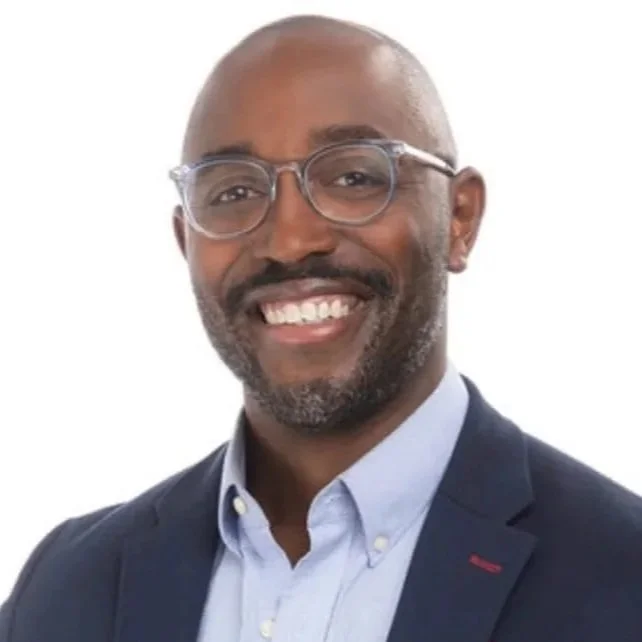
Dr. Christophe Jackson (he/him) is an Associate Research Professor of Neuroscience, Music, and Medicine at Flinders University within the College of Medicine and Public Health, Rural and Remote Health (NT), and Director of Global Research in Culture, Health, Arts, and Technology. He also serves as Medical Director of Arts Clinic Without Borders, where he is actively developing and implementing transnational research and clinical frameworks that integrate neuroscience, medicine, and the arts to address health inequities across the United States and Australia. His current work focuses on building scalable, interdisciplinary models that position music and creative practice as mechanisms for improving cognitive, clinical, and community health outcomes. Jackson holds doctoral-level training in neurobiology, mechanical engineering, and piano performance, alongside a master’s degree in physician assistant studies, and completed postdoctoral training in Neuroscience and Music at Tulane University in New Orleans. He is a National Science Foundation Graduate Research Fellowship awardee (2007), a Ford Foundation Dissertation Fellow (2011) for his research on the “Science of Song,” and a current SphinxLead, a premier national leadership initiative of the Sphinx Organization advancing leadership across music and cultural institutions, recognized for his leadership and contributions at the intersection of science, engineering, and the arts. Clinically, Jackson practices as a surgical physician assistant across neurosurgery, trauma, infectious disease, and urology, where he applies an integrated, translational approach that connects patient care with research and system-level innovation. His research, Blues, Jazz, and Black in the Land of Oz: Health, Justice, Well-being, Creativity, and Resilience through Song, is advancing arts-based research methodologies that examine the role of music, culture, and identity in shaping health outcomes across Australian First Nations communities and diverse communities of color in the United States. Through this work, he is actively convening international collaborations, developing research infrastructure, and translating findings into practice to improve health, social, and economic outcomes.
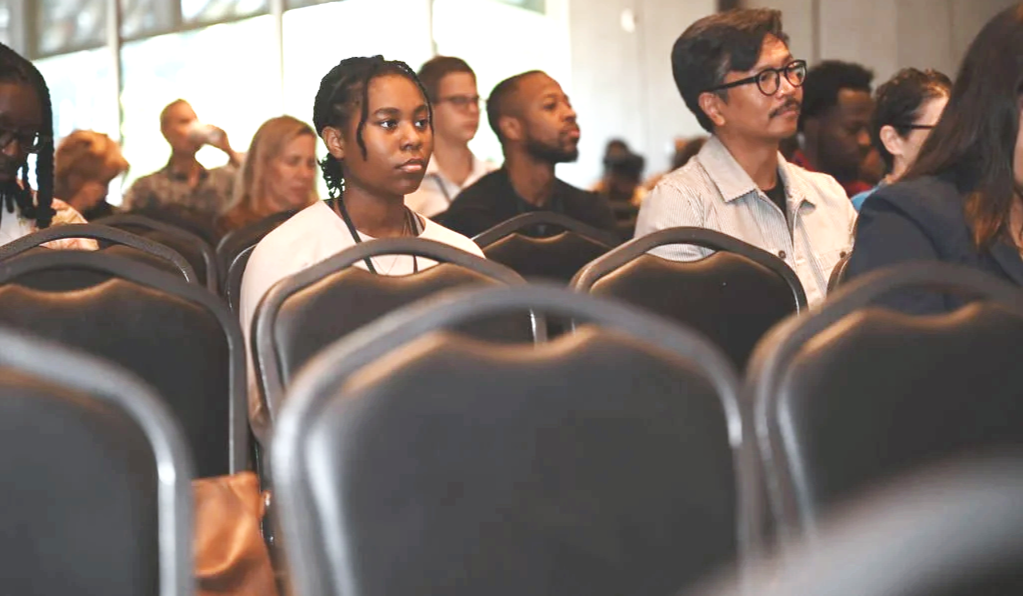
Healthy Futures: Youth Voices, Arts & Health Advocacy, and the Work Ahead
As part of an afternoon exploring public health disparities affecting Indigenous communities in Australia and how the arts are being leveraged to address these challenges, this special fireside conversation will spotlight four emerging leaders from the National Youth Advocacy Corps whose projects sit at the intersection of arts, health equity, and human rights. Moderated by Tim’m West, Executive Director of the LGBTQ+ Institute and founder of NYAC, the 30–40 minute discussion reflects the Institute’s commitment to cultivating the next generation of justice-minded public health leaders.
In dialogue with the broader mission of the National Center for Civil and Human Rights to create space for intersectional conversations, four NYAC fellows– Dhurv Aggarwal (Charlotte, NC), Lydia Berry (Atlanta, GA), Yash Kini (Virginia), and Alex Cooney (Baltimore, MD,)-- will share how their work connects local and global struggles for health justice—from disparities experienced by Indigenous populations in Australia to inequities faced by marginalized communities closer to home as well as arts & health legislation and community development in Atlanta, led by Performance Hypothesis. The conversation will celebrate the power of youth leadership, research, creativity, and advocacy to imagine a healthier and more equitable future.
Student Scholars
-
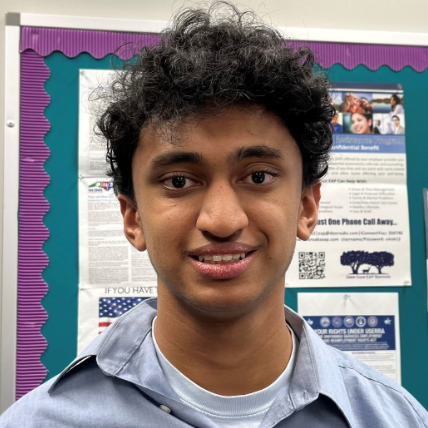
Dhruv Aggarwal (he/him) is a junior at Levine Middle College in Charlotte, NC—a technologist, advocate, and changemaker committed to advancing neurodiversity and equity. As a neurodivergent individual, Dhruv channels his lived experience into designing inclusive spaces and tools that uplift others navigating similar paths. He founded and leads his school’s Autism Charlotte club, partnering with local nonprofits to mentor children on the spectrum—teaching them to ride bikes as a joyful, confidence-building act of independence. A passionate coder, Dhruv is currently developing a tech-based solution to help caregivers help autistic individuals, blending data with empathy to deliver dignified support. His work sits at the intersection of innovation, advocacy, and lived insight. Dhruv’s dedication to justice extends beyond neurodivergence. He volunteers with UNICEF and the Red Cross and teaches coding to underserved youth through Idea Labs. A National Honor Society member and two-time FLL Robotics state finalist, he exemplifies a spirit of leadership rooted in service. Dhruv is eager to join NYAC to amplify neurodivergent voices within broader justice movements. He believes that youth-led, intersectional advocacy is essential to dismantling systemic barriers—and he's ready to help build that future.
-
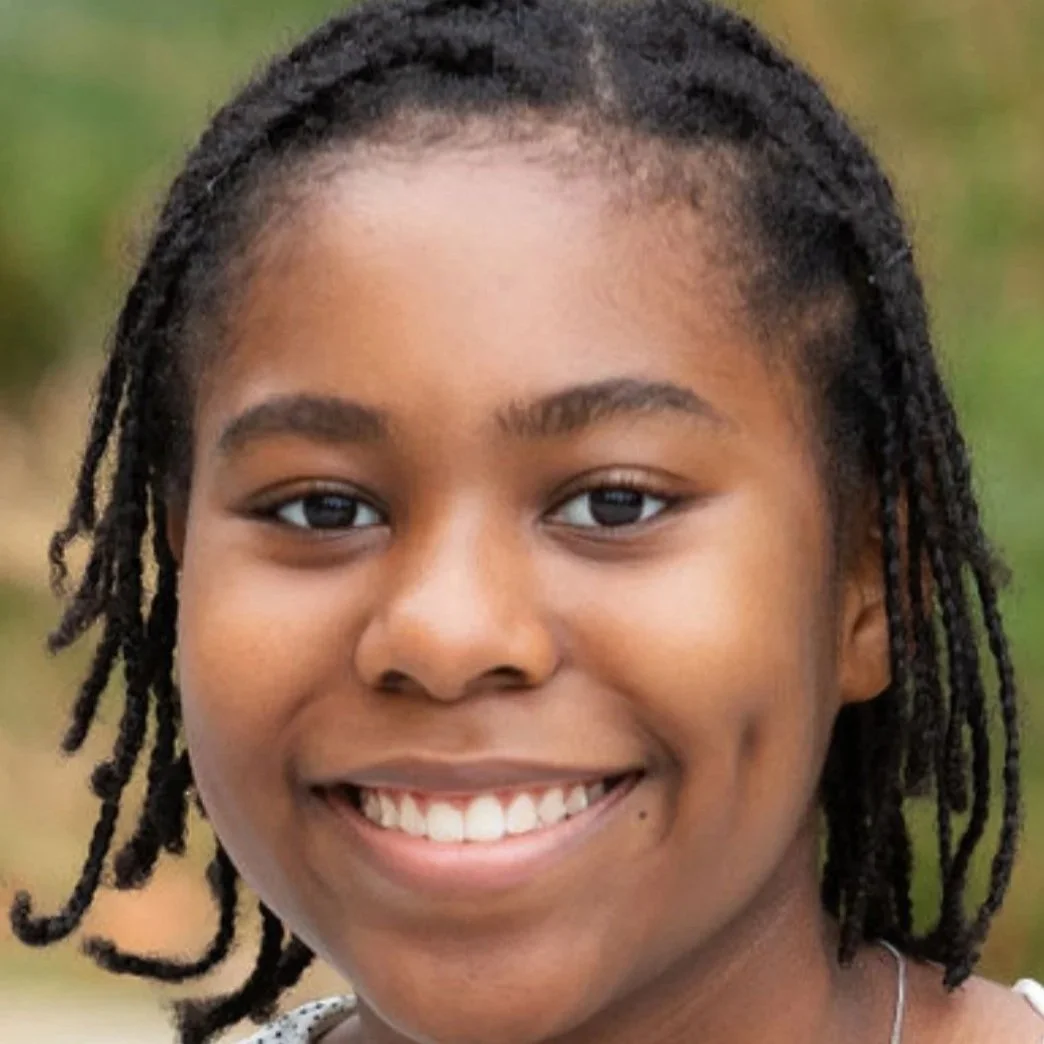
Lydia Berry (she/her) is a dedicated student at Midtown High School in Atlanta with a strong passion for environmental science and engineering. As co-vice president of the 21st Century Leaders Club, a community service organization, she helps inspire her peers to lead through service and advocacy. Through the club, she initiated a cheer group to support runners in 5Ks benefiting cancer-related causes. She has also partnered with organizations such as Trees Atlanta, contributing to numerous environmentally focused community service projects. An accomplished cellist, Lydia performs in both school and youth orchestras and has served as section leader in her school ensemble. Her academic drive and intellectual curiosity motivate her to excel in the classroom and pursue new challenges. Whether through music, leadership, or environmental action, she is committed to making a meaningful impact in her community.
-
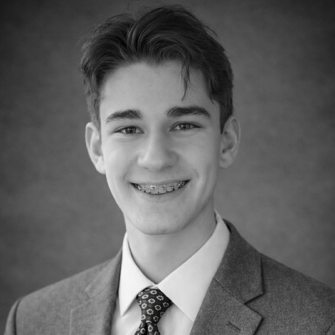
Alex Coon is a sophomore at the McDonogh School in Owings Mills, MD. Alex has a unique perspective growing up in both Baltimore, Maryland and Tucson, Arizona. On face value, these communities seem very different, yet they share a common challenge of lacking access to health education and little understanding of stroke risk factors and the need for immediate care if symptoms occur. Alex has conducted stroke-related research, leveraged his understanding of robotic engineering to understand stroke intervention techniques, and leveraged his Spanish language skills to develop stroke awareness materials targeted at Spanish-speaking and indigenous populations. Alex's goal in participating in NYAC is to engage his peers in his campaign for Stroke awareness education in underserved communities and foster additional community programs in other geographies. At school, Alex serves as an Orange Key Ambassador, a leader on the First Tech Challenge Robotics Team, youth teacher and mentor through the Baltimore Building Bridges program, and a member of the concert band.
-
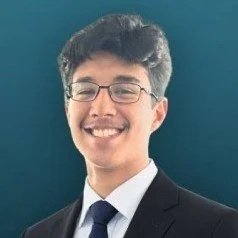
Yash Kini (he/him) is a sophomore at James Madison High School. He grew up in a deeply musical household, where music wasn’t just something listened to, but something that was lived. He started with piano, moved to drums, and eventually found his home in the euphonium, an instrument that reflects the balance and complexity Yash has always been drawn to. Through music, he became fascinated by how the brain coordinates multiple processes to create something unified and expressive. That curiosity pushed him to think beyond traditional boundaries, leading to founding his own band, Sur2Soul, that blends musical styles across cultures and genres.
That same mindset shapes everything he does. In Congressional Debate, he competes nationally, exploring how policy influences access to healthcare and education, especially in areas like medical diagnostics and brain health. He has also pursued neuroscience and computer science through research in brain-inspired learning systems, studying how biological principles can inform artificial intelligence. Through these experiences, he sees learning as something dynamic and interconnected.
This event is brought to you
with support from:
Performance Hypothesis.
Performance Hypothesis began when three healthcare leaders in evaluation, systems administration, and statistics wanted to bring research-informed tools to arts initiatives.
What started with a simple survey to capture the impacts of a dance for Parkinson’s class grew into an international consulting initiative at the forefront of providing relevant and robust tools to better understand health outcomes of arts and cultural programs.