
-
Krithik Devarajan (2025 - 26 Cohort) is a visual artist and designer who created the NYAC logo as a symbol of intergenerational leadership. Inspired by the legacy of Southern Freedom Schools, the design depicts young advocates planting seeds of civic engagement that, through mentorship and collective action, grow into a thriving tree of leadership, community, and social change.
National Youth Advocacy Corps
Launched in 2023, the LGBTQ+ Institute’s National Youth Advocacy Research Corps is already four cohorts strong, and growing. This dynamic, multi-year fellowship empowers young leaders ages 15 to 25 with mentorship, training, and a national network of support to bridge their social justice passions with real-world professional pathways. It’s not just for LGBTQ+ youth—it’s a collaborative space where a diverse cohort of teen advocates come together to tackle urgent social justice issues, from racial justice and public health to education access and workplace equity.
The National Youth Advocacy Corps is rooted in 4 pillars our scholars integrate:
-
We ground all of our work in an intersectional framework, recognizing that systems of power and oppression—racism, classism, sexism, ableism, homophobia, transphobia, and more—do not operate in isolation. Our fellows are encouraged to examine every issue through a multifaceted lens that honors the complexity of identity, lived experience, and systemic inequity. This pillar ensures that our advocacy is not only inclusive but also deeply informed and justice-centered.
-
We believe that bold ideas are made stronger when built on a foundation of knowledge. Fellows engage deeply with existing research in their area of focus—not to replicate what's already been said, but to understand the landscape and offer innovative, forward-thinking insights. By connecting passion with scholarly rigor, our fellows produce work that is both visionary and credible.
-
Rooted within the National Center for Civil and Human Rights, we know that today’s movements are part of a larger continuum of struggle and progress. Our fellows examine their topics with a historical lens, drawing lessons from past civil and human rights efforts to inform the strategies of today. This connection to advocacy history ensures that our work honors legacy while driving toward liberation.
-
Every research team is challenged to consider the real-world impact of their work. Is there a local, state, or national policy that needs to change? A new recommendation that could spark meaningful reform? This pillar empowers our fellows to translate their research into action—contributing to tangible solutions through informed, equity-driven policy proposals
What is the National Youth Advocacy Corps?
The National Youth Advocacy Corps is centered around collaborative learning opportunities where scholars are paired with fellow cohort members to develop a project addressing a shared social justice issue. The Institute’s Executive Director, Tim’m West, with the support our Advisory Board, will guide the fellows through a year-long experience that will:
Connect students with seasoned advocates who guide their strategic proposals
Illuminate connections between our historical civil and human rights issues
Offer an introduction to subject matter experts in advocacy education
Apply areas of interest to data and research (e.g., LGBTQ Institute Southern Survey).
Provide opportunities for students to gain fundamental DE&I learning and development
Nurture a strong camaraderie between emerging leaders who collectively actualize their thought leadership to shift both perspectives and public policy.
Through partnerships with Georgia State University, Georgia Tech University, and the National Center for Civil and Human Rights, students gain hands-on experience in advocacy work rooted in research and interdisciplinary thinking. NYAC students present their projects at the National Center for Civil and Human Rights’ IGNYTE symposium, where they create partnerships and receive invaluable feedback from community organizers, non-profit leaders, and scholars in their respective fields.
Our projects
Cohort 2026-27
Cohort 2025-26
Cohort 2024-25
Collegiate Projects
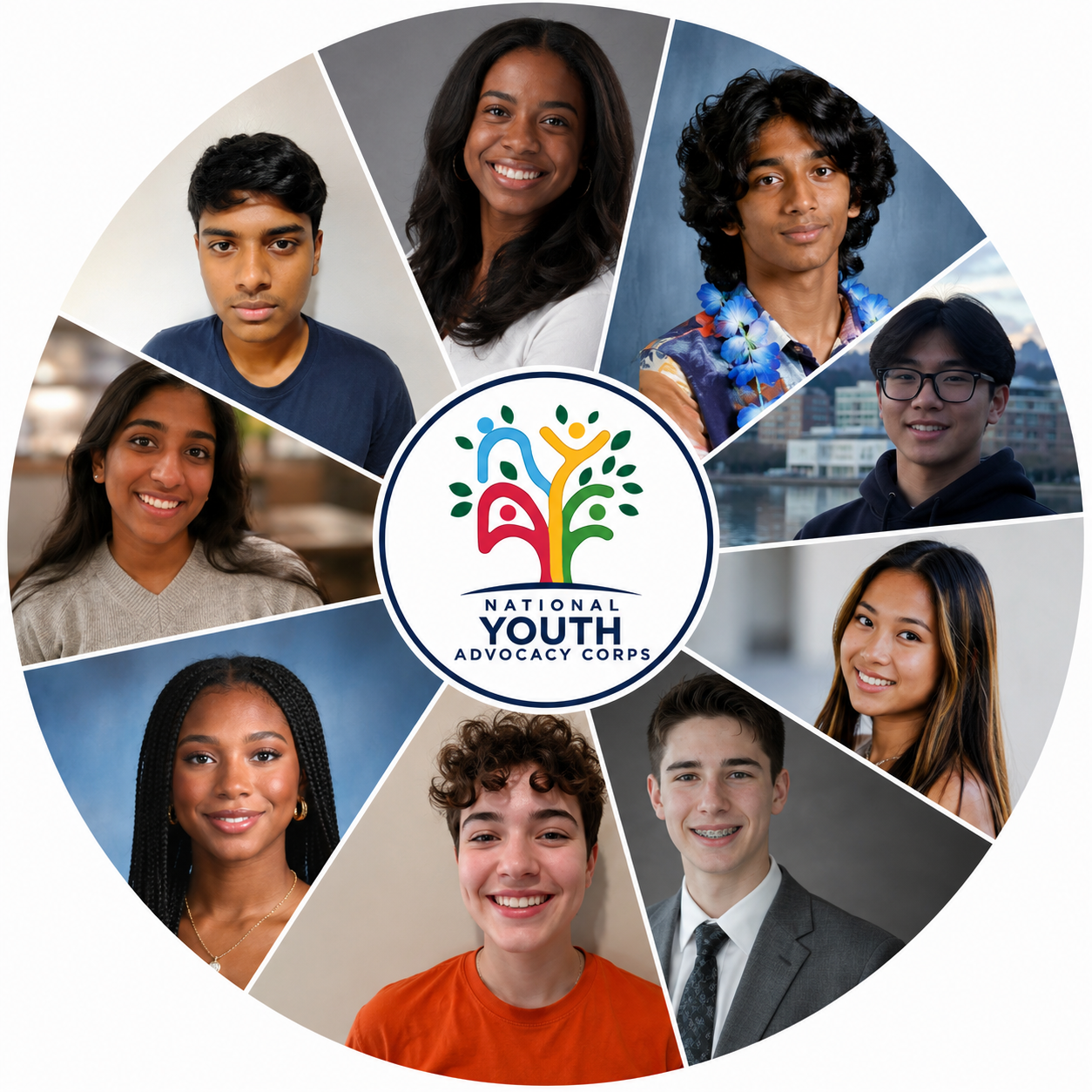
the 2026 - 2027
NYAC Cohort!
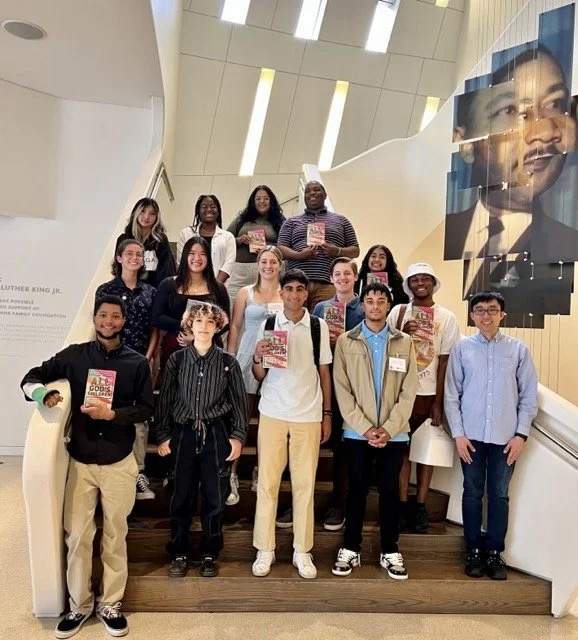
the 2025 - 2026
NYAC Cohort!
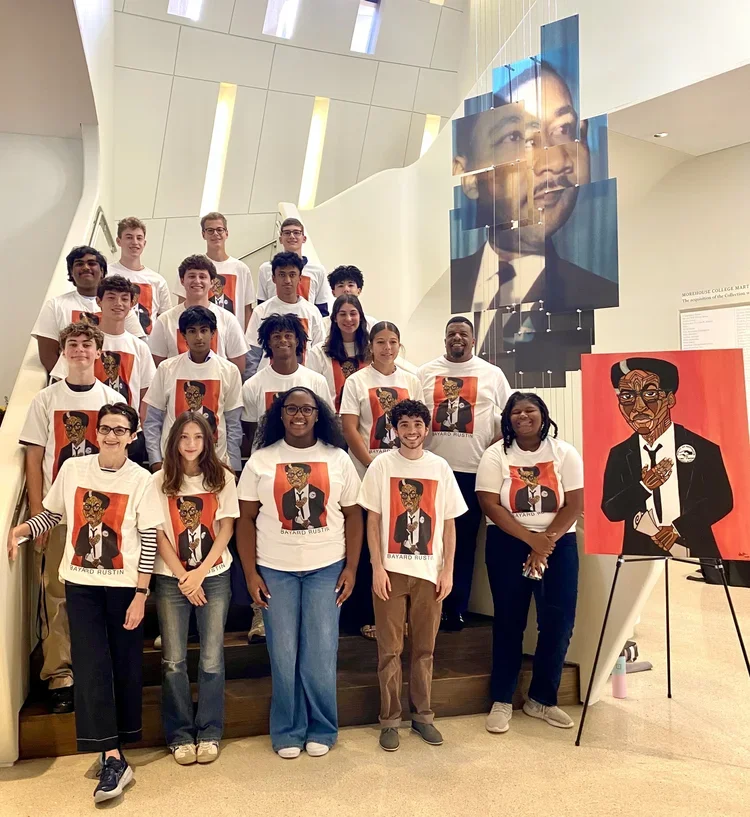
the 2024 - 2025
NYAC Cohort!
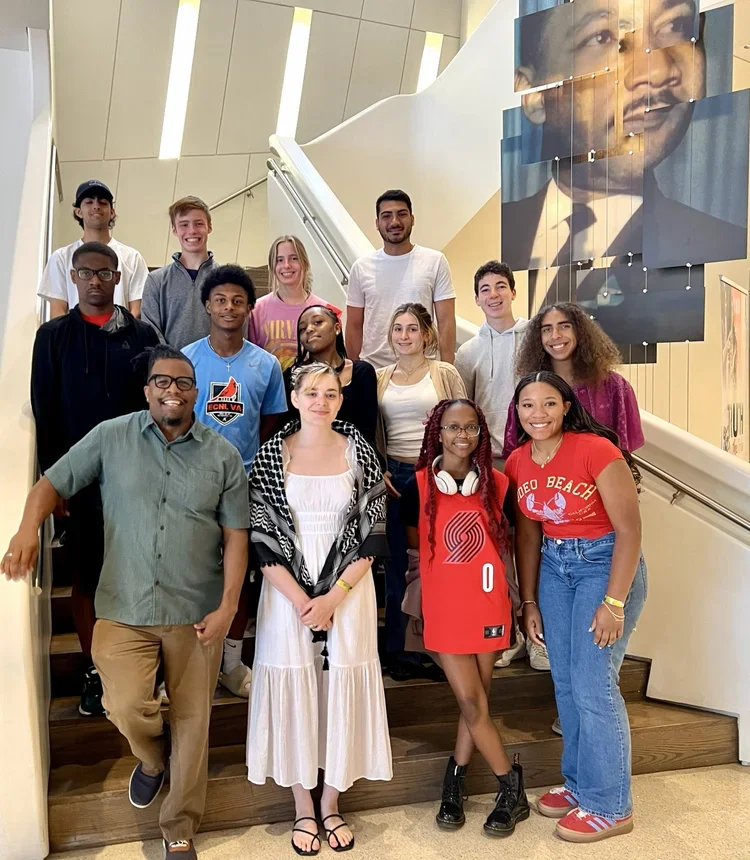
Founding 2023 - 2024 NYAC Cohort!
Stay up to date with our “inside the Nyac Fellowship” blog:
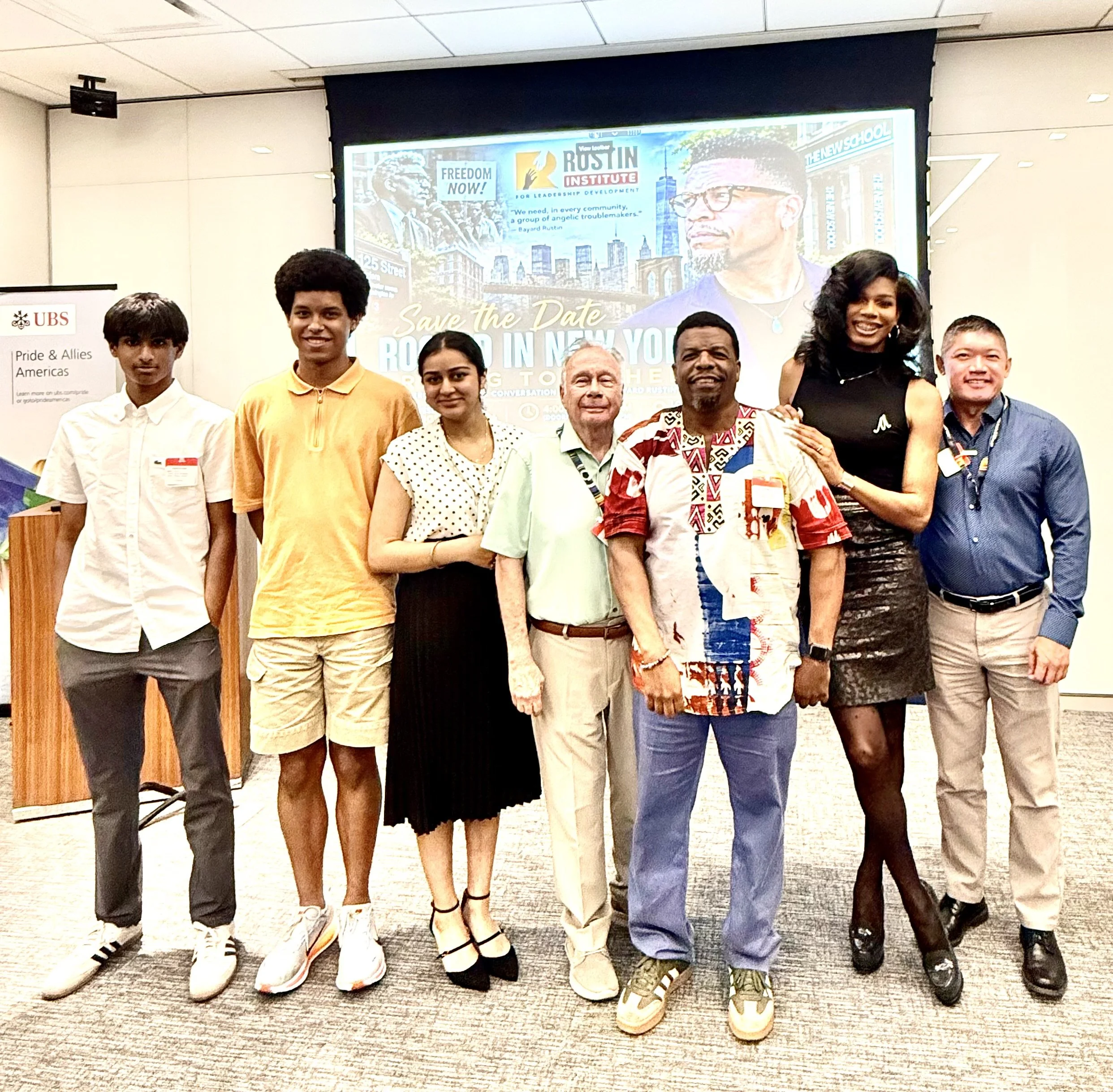
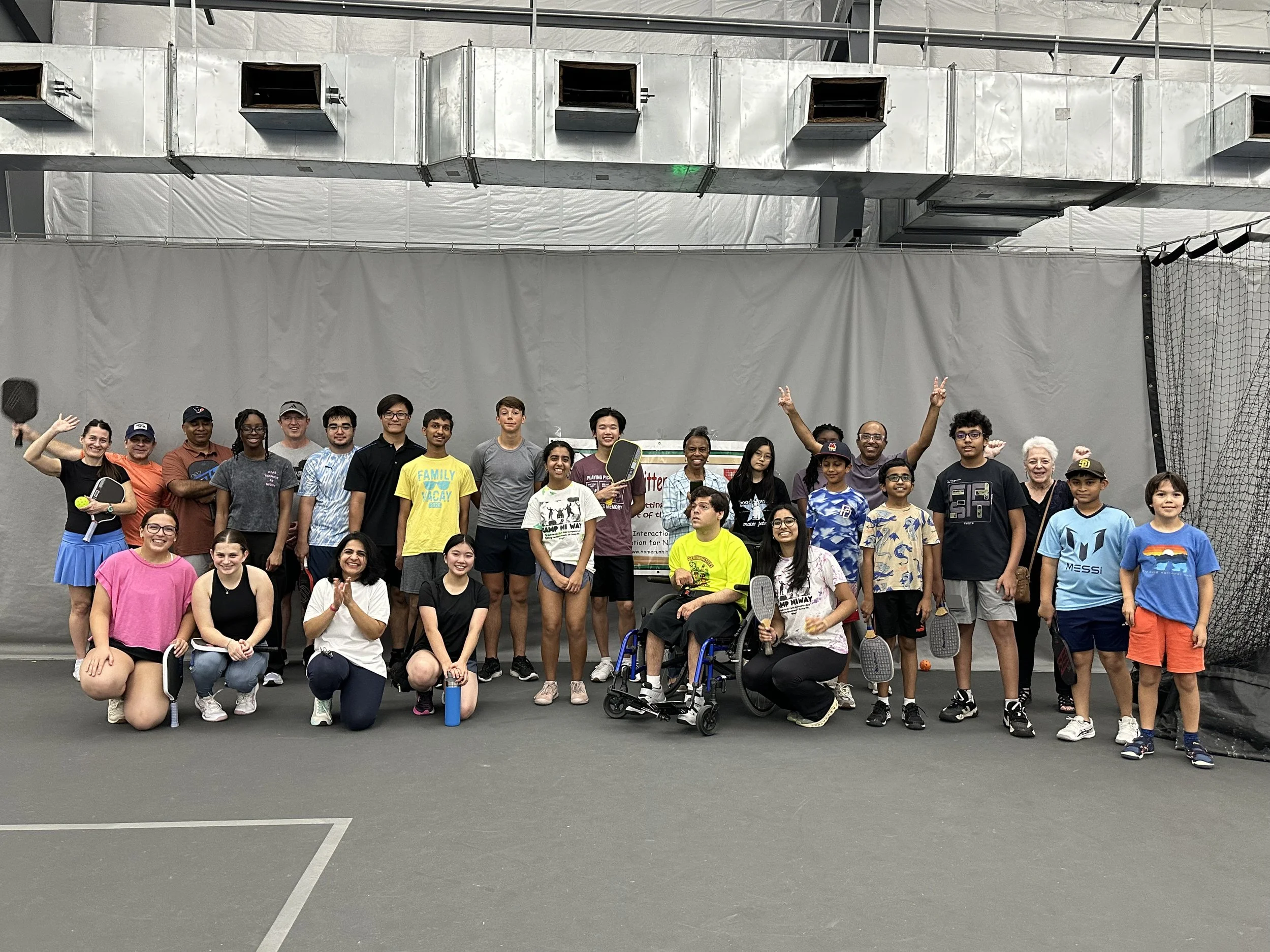
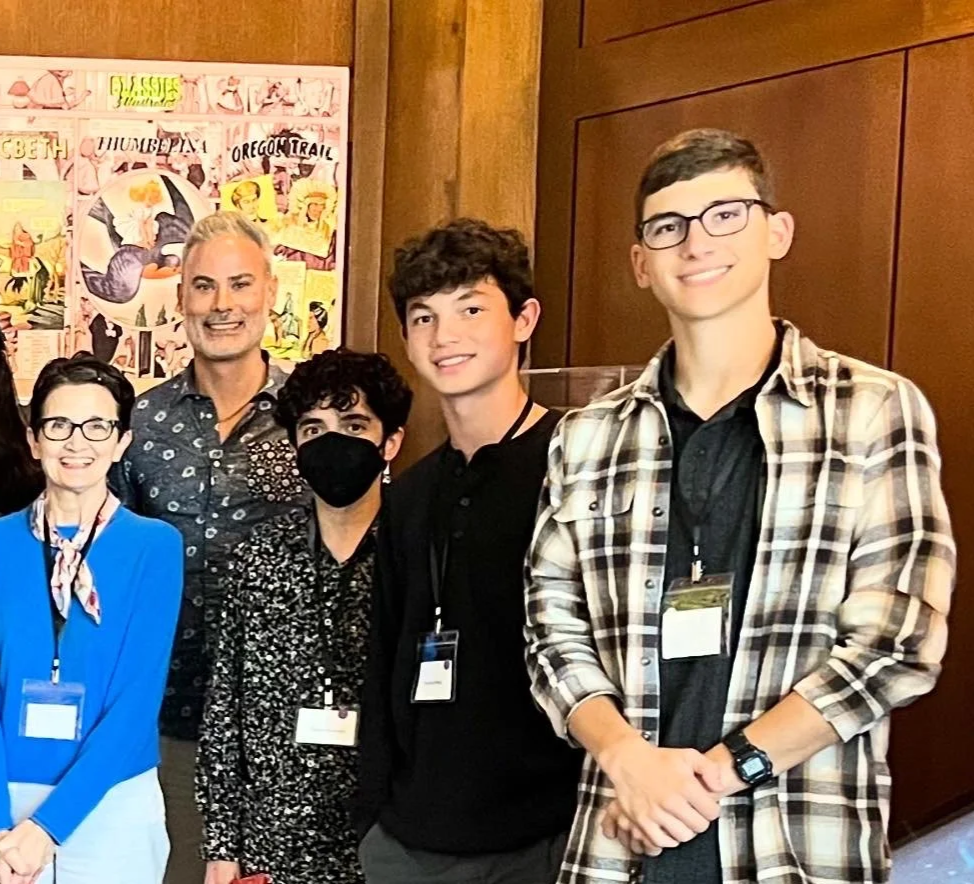
2025-2026 Fellow spotlight: Samuel De Falco and Dhruv aggarwal
Congratulations to NYAC 2025-2026 Fellow, Samuel De Falco, the 2026 recipient of The Nancy & David Wolf Holocaust & Humanity Center’s Community Upstander Award
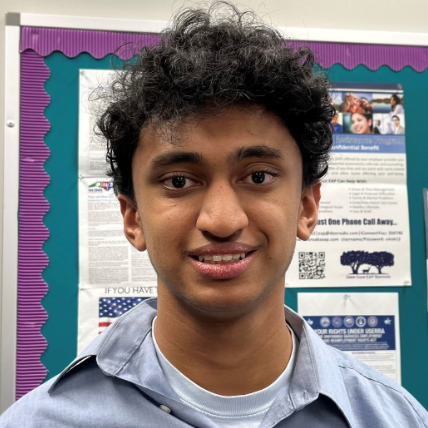
Congratulations to NYAC 2025-2026 Fellow, Dhruv Aggarwal, on his feature by WSOC-TV about his children’s book, “Wiggly Noodles and Roaring Dinosaurs: Different Is Awesome.” To read more about Dhruv’s story, click the photo:
Who are our advocates?
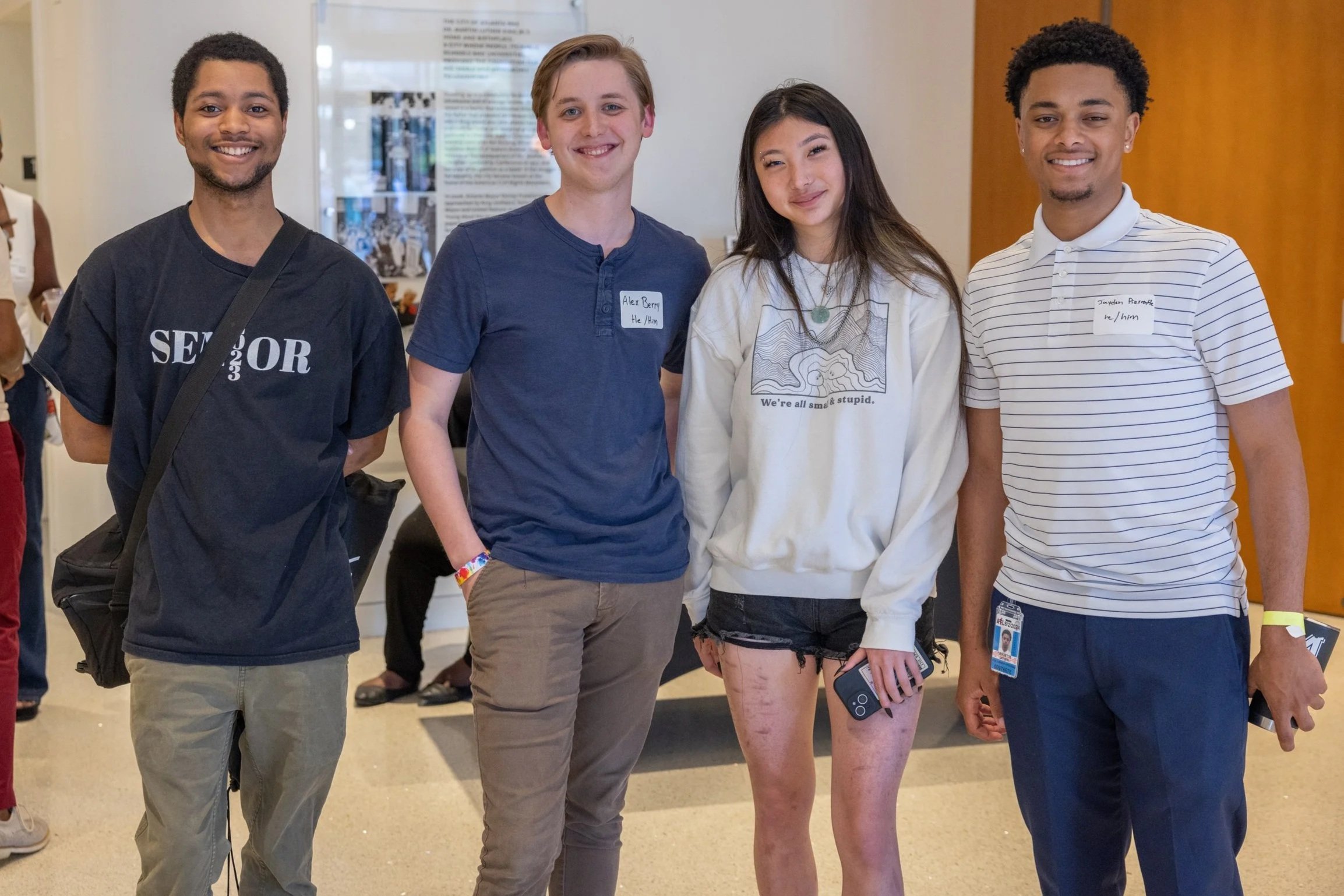
Our fellowship cohorts reflect young people from all over the nation including California, Connecticut, Georgia, Florida, New Jersey, New York, North Carolina, Illinois, Maryland, Massachusetts, Minnesota, Ohio, Texas and Washington, D.C. Our graduates attend colleges including but not limited to: Bowdoin College, Cal Poly State University, Case Western Reserve University, Chapman University, Cornell University, Dartmouth College, Duke University, Emory University, Fordham University, Georgia State University, Loyola Marymount University, Morehouse College, Northeastern University, Spelman College, Stanford University, Tulane University, Tuskegee University, UCLA, University of North Carolina- Chapel Hill, University of Pennsylvania, University of Wisconsin, and Yale.
Our NYAC 2025-26 Mentors
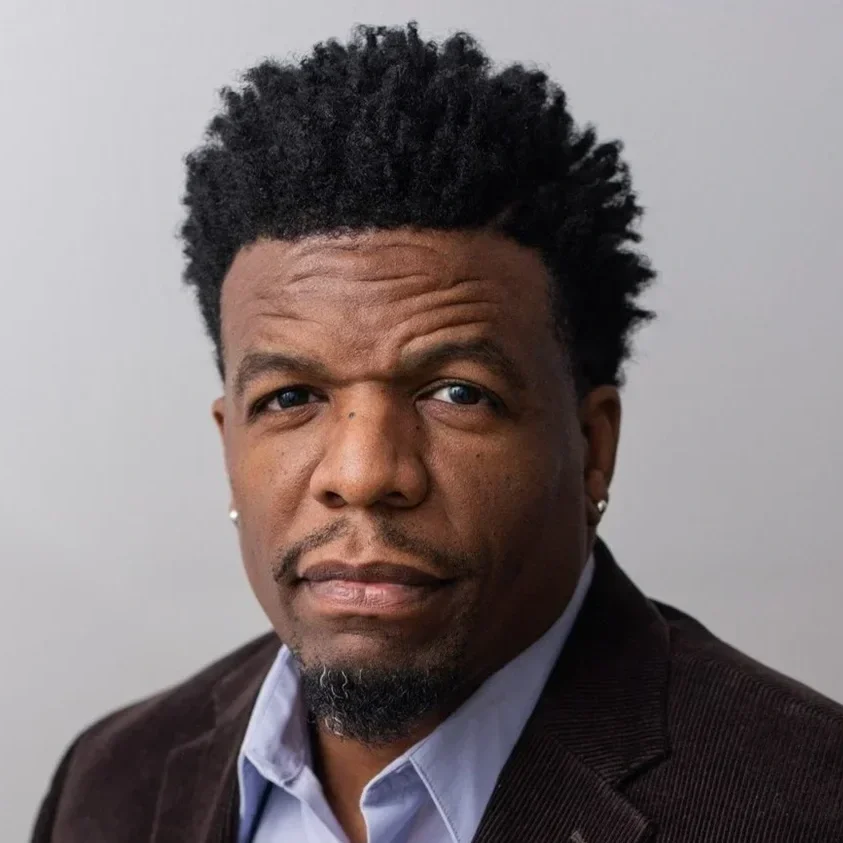
Tim’m West
Founder & Visionary-
Tim’m T. West (he/they) is an award-winning educator, poet, hip-hop artist, and advocate whose three-decade career bridges classrooms, concert stages, and community movements. A graduate of Duke, The New School, and Stanford, he has transformed personal narrative into public service at the intersections of race, gender, sexuality, and social justice. Living openly with HIV since 1999, Tim’m has led national efforts to dismantle stigma through art, education, and mentorship—holding leadership roles with AID Atlanta, Houston’s St. Hope Foundation, and Chicago’s Center on Halsted. A former faculty member at The New School and Cal Poly Humboldt, he also launched Teach For America’s groundbreaking LGBTQ+ Initiative, shaping inclusion across 50+ regions. Now Executive Director of the LGBTQ+ Institute at the National Center for Civil and Human Rights, he advances youth advocacy, research, and intersectional leadership through programs like the Georgia Youth Advocacy Fellowship, National Youth Advocacy Corps, and IGNYTE Symposium. Widely recognized as a pioneer of queer hip hop and named one of 31 Icons of LGBT History Month, Tim’m recently received the Stanford Pride Trailblazer Award for his enduring commitment to equity and liberation.
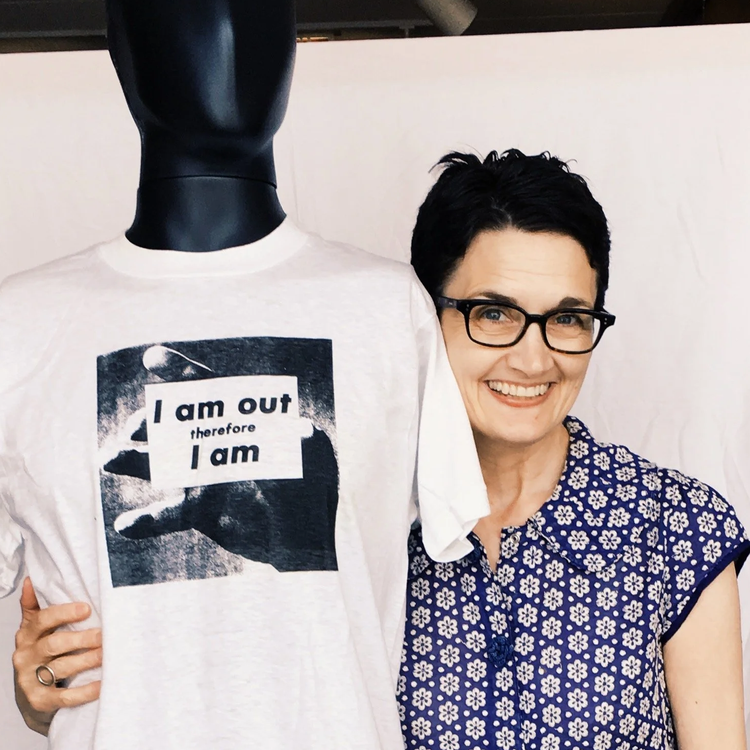
MORNA GERRARD
Rustin Institute Board & NYAC Advisor
-
Morna Gerrard (she/her) is the archivist for Women’s/Gender and Sexuality Collections at Georgia State University. In this role, she collects, preserves, and makes available the records and oral histories of women and the LGBTQ+ communities in Atlanta, Georgia, and the South.
A native of Scotland, Morna was educated at Edinburgh University, Western Washington University, and Clark Atlanta University. She is a fellow and past president of the Society of Georgia Archivists, a long-time board member of the Georgia Archives Institute, and serves on the advisory board of the Historic Atlanta LGBTQ HPAC. She is also a past vice president and current member of the Georgia LGBTQ History Project. Among Morna’s published works are chapters “No Fame Required: Collaboration, Community, and the Georgia LGBTQ Archives Project,” in Appraisal and Acquisition: Innovative Practices and Special Collections, “Silenced Voices Lesson Plan” and “Exploring Gender Roles in Society, Literature and Film,” in Gender Studies in the Library: Case Studies, Programming, Outreach, and an article, “ACTing UP Down South,” in Alexander Street Press’s Women and Social Movements in the U.S., 1600-Present electronic journal.
One of the projects that Morna is most proud of is the two-year-old Georgia Transgender Oral History Project, which was created and supported by an outstanding group of trans advisors and volunteers. Morna lives in Decatur with her husband and two cats.
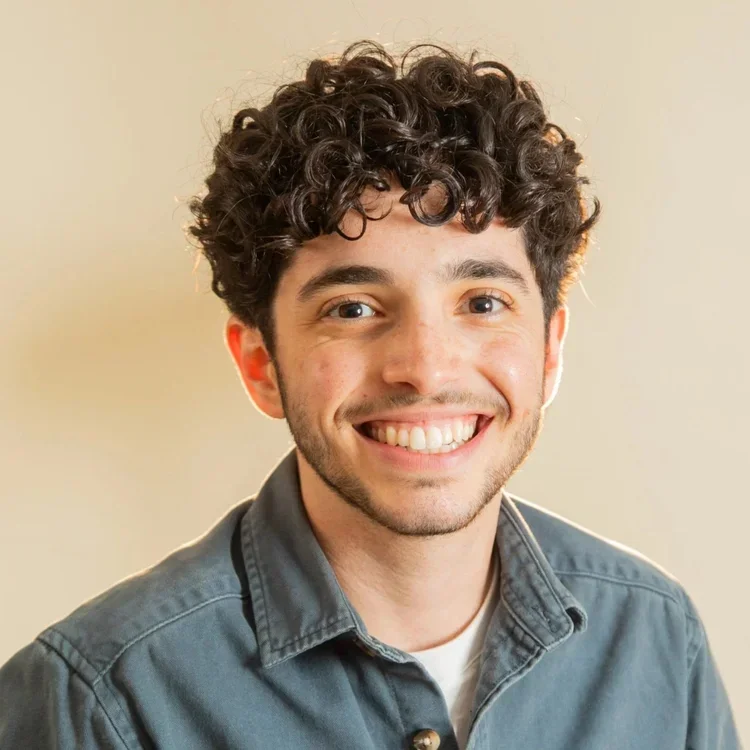
Zayn Azoulay
Director of Project Support & Engagement-
Zayn Azoulay (he/him) is a multidisciplinary researcher, educator, and musician based in Chicago, IL. As a Master of Public Policy candidate at the University of Illinois Chicago, Zayn’s research centers the lived experiences of trans people using community-based research practices. He has previous research experience with UCLA School of Law’s Williams Institute, the country’s leading LGBTQ public policy and law research center, and the global School of Rock corporation researching music history archives to help develop their standardized curriculum.
Zayn has 10 years of professional experience in educational settings, including as a music educator, curriculum developer, and administrative coordinator. As a musician, Zayn has performed in venues such as Lincoln Center’s Festival of Firsts, The Academy of Music, and 54 Below. He is passionate about ensuring young people receive the support they need to live joyful, fulfilling lives.
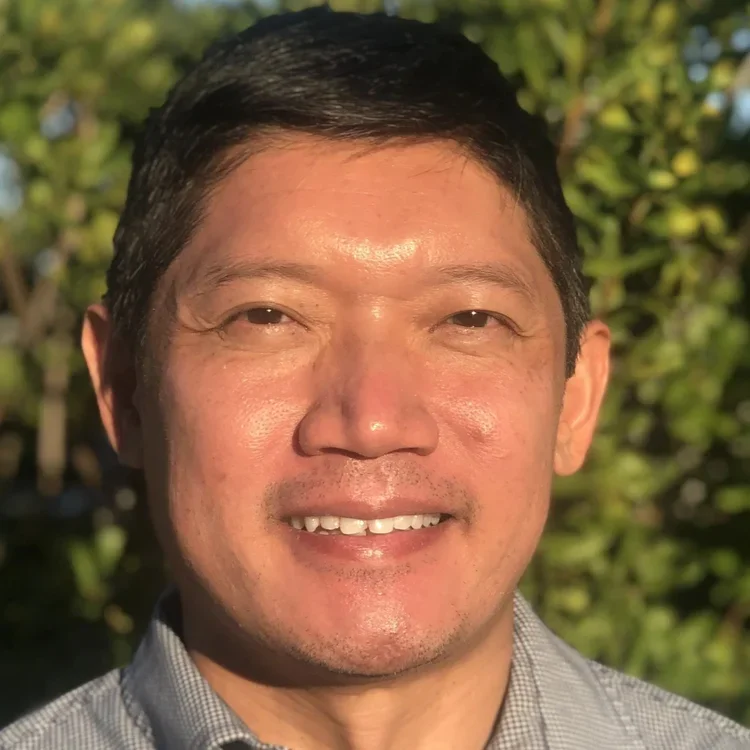
Director of Research, Evaluation, & CurriculumNhan Truong
-
Nhan Truong (he/him) is a public health researcher, educator, and advocate with over 15 years of experience leading culturally responsive research and evaluation initiatives centered on LGBTQ+ youth, communities of color, and intersectional equity. A first-generation college graduate and former McNair Scholar, he earned his Ph.D. in Social-Personality Psychology from the Graduate Center, City University of New York, and completed a postdoctoral fellowship in public health at San Diego State University. His work bridges rigorous research with grassroots advocacy, amplifying marginalized voices through trauma-informed and community-engaged approaches.
Nhan has directed national studies on school climate, youth well-being, and HIV risk, and authored 15 peer-reviewed academic journal articles, 3 book chapters, and 11 community-facing reports. He currently serves as a program analyst at Hackensack Meridian School of Medicine, where he evaluates the Human Dimension program—a three-year curriculum designed to train medical students to provide holistic care by emphasizing social, environmental, and biological determinants of health, as well as fostering community engagement throughout New Jersey. In addition to his institutional role, Nhan continues as an independent researcher and consultant, drawing on prior leadership experience at GLSEN and AARP, as well as at My Brother’s Keeper, Inc., where he managed multi-site HIV prevention studies and evaluated healthy eating intervention programs in the Southeastern United States.
In addition to his academic and research contributions, Nhan served as Assistant Professor of Psychology at Tougaloo College, mentoring students and supporting IRB governance. His most impactful work includes the CDC-funded Partnerships to Improve Community Health, addressing food insecurity, healthcare access, and tobacco cessation in underserved Mississippi communities. He lives in Jersey City, NJ with his partner.
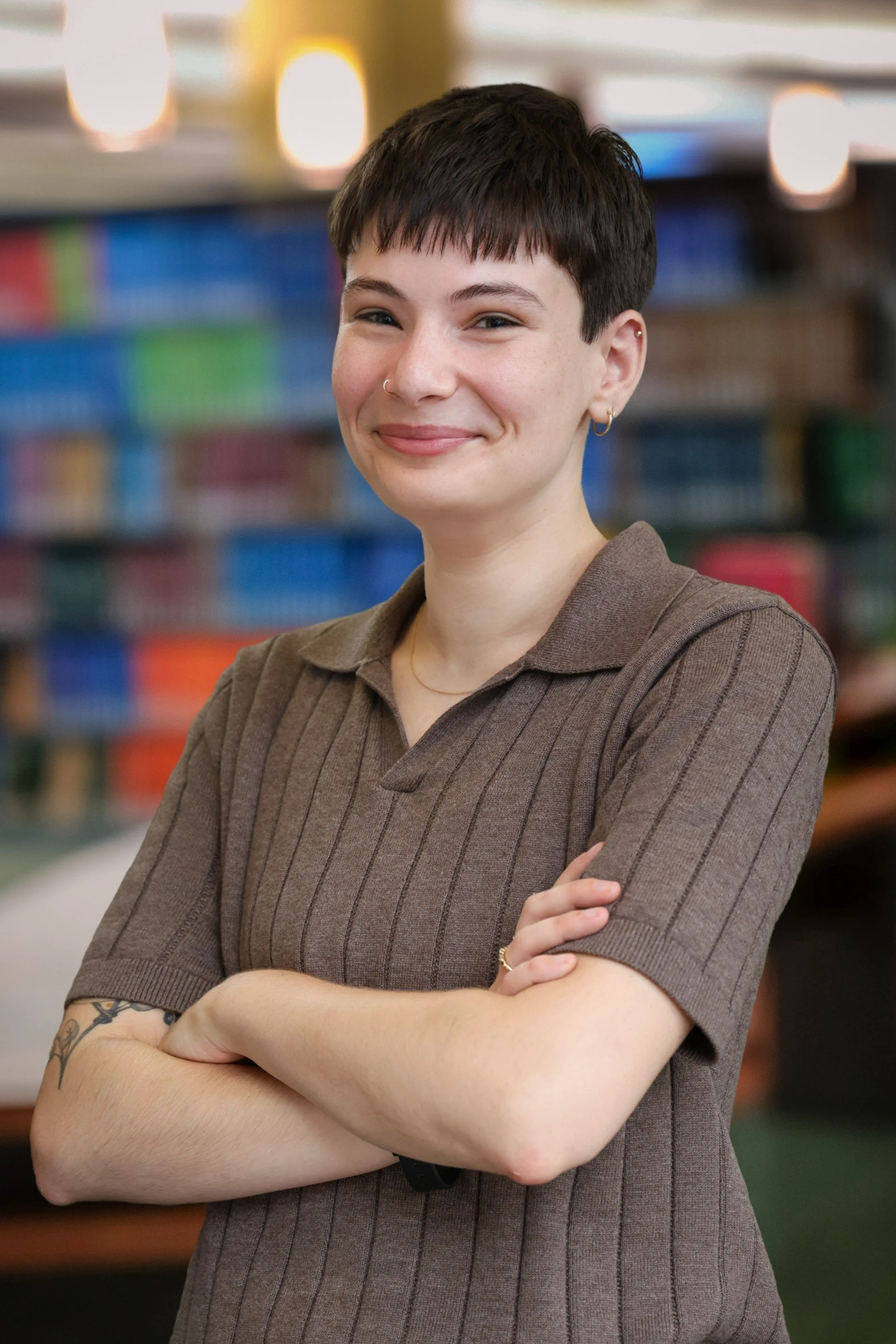
MATTI KAUFTHEIL
GA State Library Advisor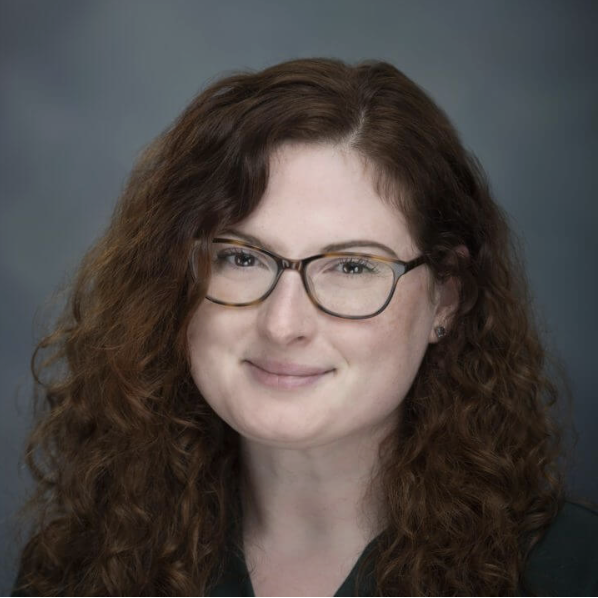
-
Matti Kauftheil (they/them) is the librarian for the School of Public Health at Georgia State University. As the Public Health Librarian, they partner with students, faculty, and staff in the classroom and throughout the research process. Matti’s approach to librarianship is rooted in critical pedagogy and curiosity and centers the expertise and lived experience of their learners and researchers.
Matti holds a M.S. in Library Science from the University of North Carolina at Chapel Hill and a B.S. in Public Health from the University of North Carolina at Asheville. While at UNC-Chapel Hill, they worked in the Department of Health Academic and Research Engagement at the Health Sciences Library. Outside of work, they enjoy reading and getting outdoors.
Charlene Martoni
GA State Library Advisor-
As Librarian for the Behavioral Sciences and Open Knowledge, Charlene Martoni supports the research endeavors of faculty, students, and staff in the disciplines of Neuroscience, Psychology, and Sociology. Charlene provides customized library instruction to meet the needs of students and educators, and she advises other faculty on course transformation. By leading a working group of open education specialists and coordinating an annual symposium in celebration of Open Education Week, Charlene champions the university’s initiatives that promote open and affordable education and support student success.
Charlene Martoni attained her Master of Information Science from the University at Albany, State University of New York. She also completed her Bachelor of Arts in Journalism and her Bachelor of Arts in Adolescence Education through the State University of New York at New Paltz. Her research investigates faculty experiences using open and affordable online learning resources, as well as information seeking behavior in conflict-affected environments.
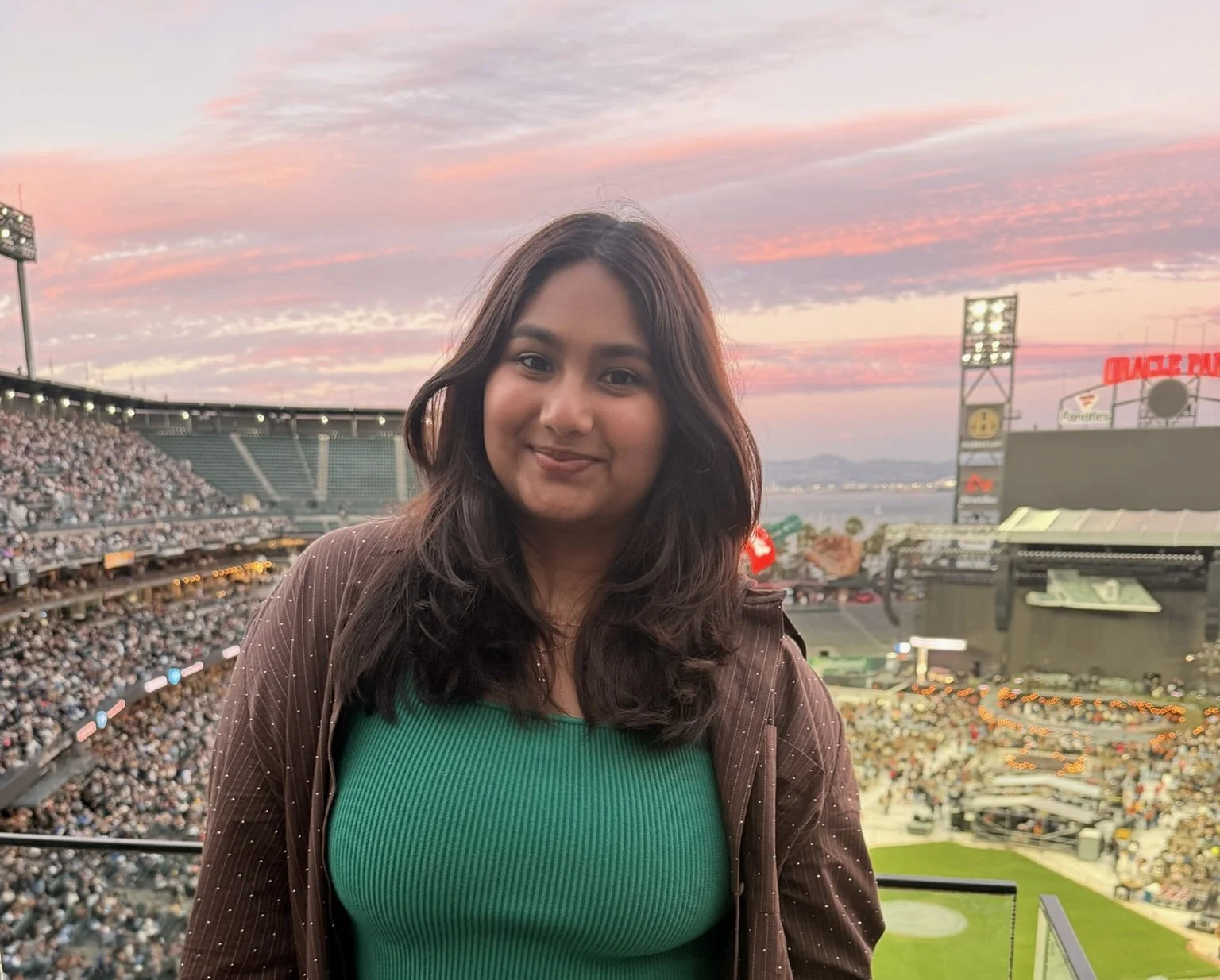
LAYA SUNKARA
NYAC IGNYTE Financial Coordinator-
Laya Sunkara (she/her) is a senior at The Harker School in San Jose, California. Passionate about finance, public health, and youth advocacy, she is particularly interested in using financial knowledge and resources to create meaningful social impact. She was a global finalist in the Wharton Global Youth Investment Competition and has gained experience in investment research and portfolio analysis through an internship at a family office. Beyond finance, Laya co-founded Pads for Peers, a nonprofit dedicated to combating period poverty through menstrual health education, advocacy, and product distribution. She also volunteers as a math tutor for underserved middle school students in East Palo Alto, where she works to make educational support more accessible. Her commitment to community service has earned her the Gold Presidential Volunteer Service Award. Also, interested in scientific research, she recently co-developed FreshAlert, an award-winning machine learning-based food spoilage detection system designed to reduce food waste. In her free time, she enjoys acting in theater productions.
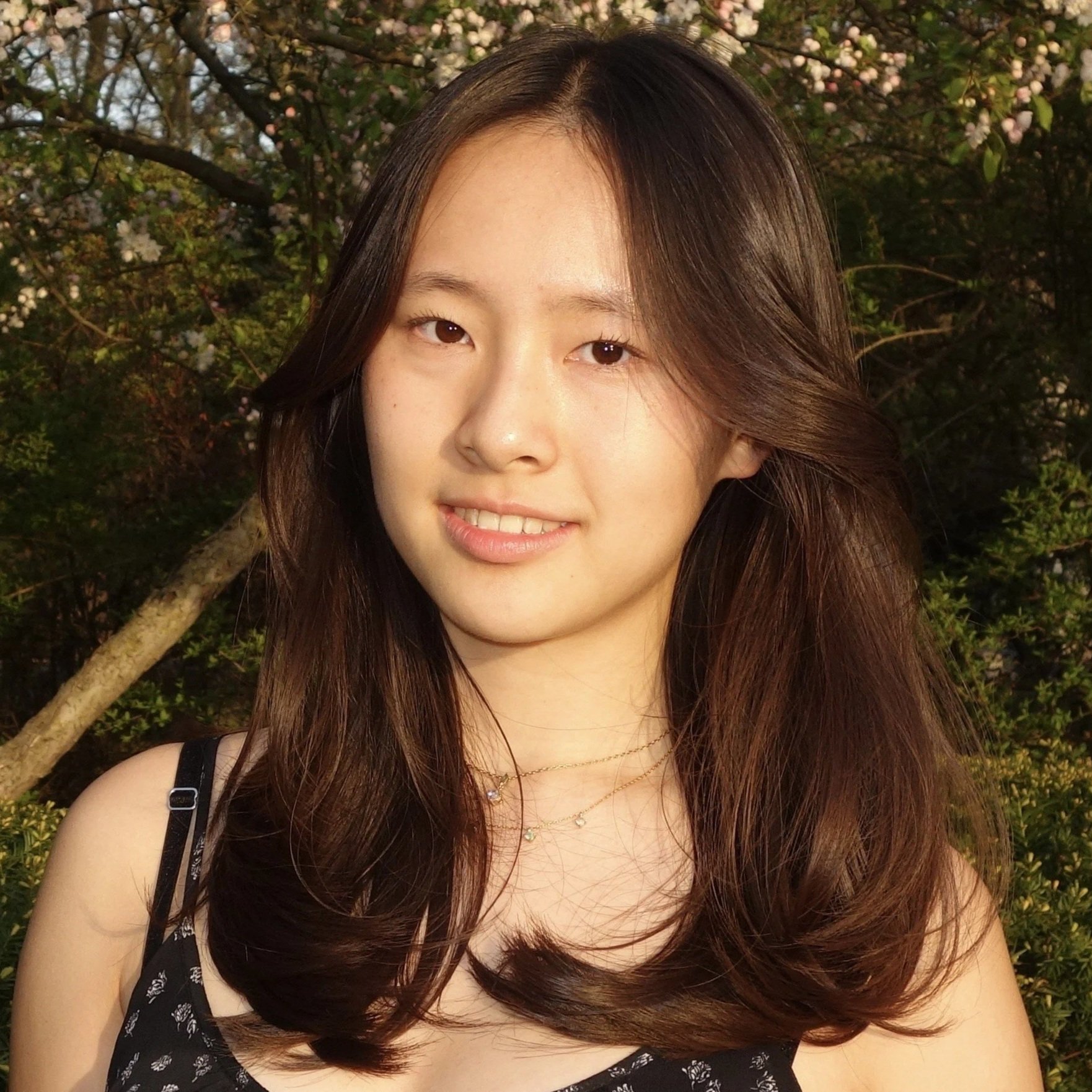
Lucie JIang
NYAC IGNYTE Cohort Coordinator-
Lucie Jiang (she/her) is a rising senior at Harriton High School, located in the suburbs right outside of Philadelphia. At school, she serves as co-captain of her public forum debate team, competes at the national level for Science Olympiad, plays varsity tennis, and writes for the school paper. She is interning at a biology lab at the University of Pennsylvania over the summer, and has a strong interest in biotech. Lucie hopes to address pharmaceutical inequities and use biotech to help others. Since junior year, she has been volunteering as part of the National Honors Society, which has included food drives at a local community center, tutoring in Chemistry, and mentoring students at a summer STEM camp at Lower Merion High School. Also very interested in art, she paints in her free time.
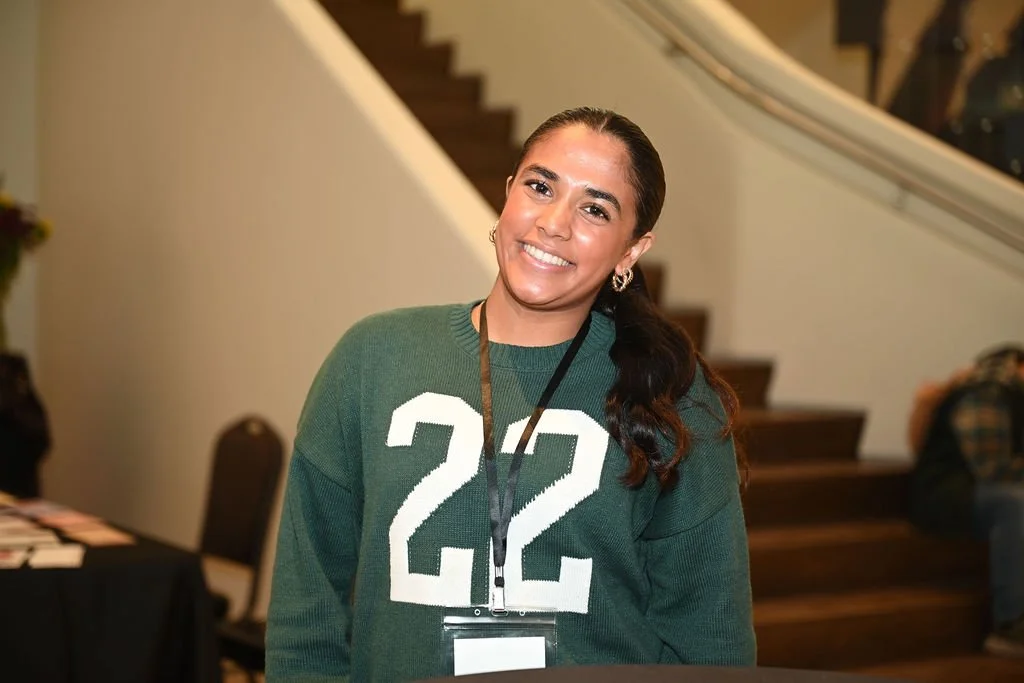
Who are our advocates?
NYAC fellows have represented nearly 30 U.S. States and various advocacy interests, from environmental justice to censorship, racial justice to equitable health care. Our graduates leverage their mentorship experience and often stay connected supporting new cohorts of leaders.