What IGNYTE 2025 Taught Us About Youth Leadership
Hosted by the Rustin Institute (formerly known as the LGBTQ Institute) and located at the National Center for Civil and Human Rights in Atlanta, the 2025 IGNYTE Symposium was a four-day collaborative event of learning, connection, and community building. Community organizers, students, non-profit leaders, and scholars from across the country gathered to learn from one another and strengthen cross-generational, cross-disciplinary approaches to social justice. The Symposium featured workshops, keynote speeches, panel discussions, and presentations that highlighted how collaborative movement work takes shape in practice. In addition to participating in these educational and experiential sessions, NYAC Fellows presented the early stages of their advocacy projects and gained invaluable resources and connections that will support both their project development and their broader advocacy journeys.
The IGNYTE Symposium exemplifies a core value of the NYAC Fellowship: cross-generational learning shaped by mentors and movement leaders deeply committed to social justice. Fellows were exposed to new ideas through workshops and panels that will inform not only their time in NYAC but also their growth as advocates in their communities. IGNYTE laid the groundwork for their final projects and re-energized them for the work ahead.
Below are findings from student feedback surveys completed before, during, and after IGNYTE. As you move through the blog, you’ll also see quotes from Fellows woven into the narrative that capture their experiences in their own words and add texture to the story the data tells. Together, these insights and student voices offer a fuller picture of how young people engaged with the Symposium and help guide NYAC Faculty in supporting their ongoing project development and strengthening the 2026 IGNYTE experience.
Evaluation Summary and Key Findings from IGNYTE 2025
The 2025 NYAC cohort includes 26 fellows, and 20 of them were able to attend the IGNYTE 2025 Symposium. Six fellows could not participate because of school‑related conflicts—a reminder of the real constraints young people navigate while balancing leadership, academics, and community commitments. Those who did attend arrived with curiosity, questions, and a shared desire to understand how young people can shape systems that were not built with them in mind. Over four days of workshops—followed by a retrospective check‑in a month later—they named something powerful: youth leadership is not a single skill. It is a practice of learning, unlearning, connecting, and stepping into one’s voice with clarity and courage.
Across surveys completed before, during, and after the Symposium, fellows described how IGNYTE shifted their understanding of advocacy, intersectionality, and the role of research in social change. Their reflections offer a window into what it means to build a youth‑centered leadership pipeline grounded in history, community, and action.
1. Pre‑Symposium: What Fellows Knew Before IGNYTE Began
Before the Symposium, fellows completed a Pre‑Symposium survey to assess their baseline familiarity with the themes they would encounter at IGNYTE. The response rate was 35%, with 7 of the 20 attending fellows completing the survey. The findings revealed that most entered with limited prior understanding of LGBTQ+ history and intersectionality. Nearly three‑quarters of respondents (71%) reported knowing “A Little” about LGBTQ+ history, and over half (58%) said they understood “A Little” or “Some” about what intersectionality means.
At the same time, fellows expressed stronger confidence in how history, research, and advocacy connect. Nearly three‑quarters (71%) shared that they understood this relationship “Well” or “Very Well,” and over half (57%) reported being “Familiar” or “Very Familiar” with using data to turn research into advocacy. These patterns point to uneven familiarity across topics, but also to a shared readiness to learn.
This baseline context matters. It shows that fellows arrived at IGNYTE eager for frameworks, language, and tools they had not previously encountered in depth. It also underscores the significance of the growth that followed—growth that becomes even more striking when viewed against this starting point.
2. What Fellows Learned on Friday: Archives, Policy, and the Power of Connection
Friday’s workshops introduced two core themes: how policy shapes young people’s lives, and how archives can be used as tools for advocacy and research. The response rate was 25%, with 5 of the 20 attending fellows completing the survey. Across all survey responses, one workshop emerged as the clear standout.
Archives as a Catalyst for Advocacy
The Advocates & Research in the Archives workshop was the strongest learning experience of Friday. A majority of fellows (60%) rated it “Very Helpful,” and 60% identified it as the session that taught them the most about advocacy skills.
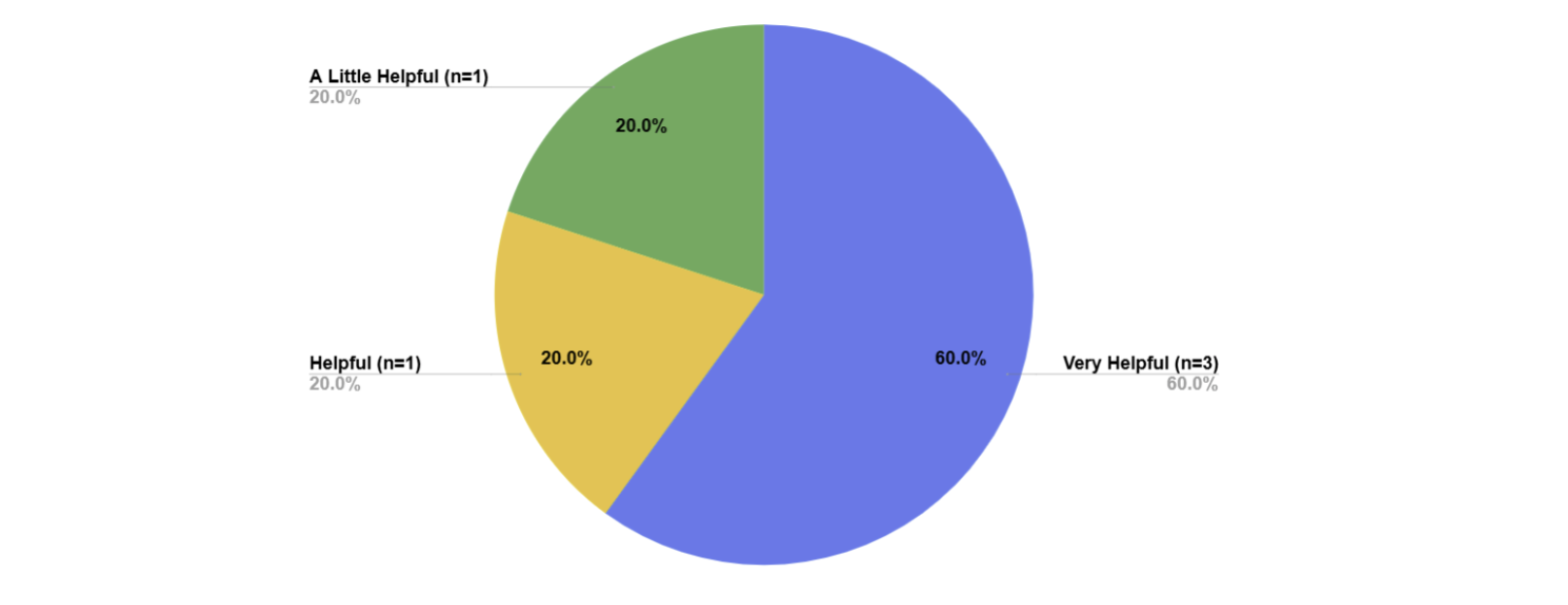
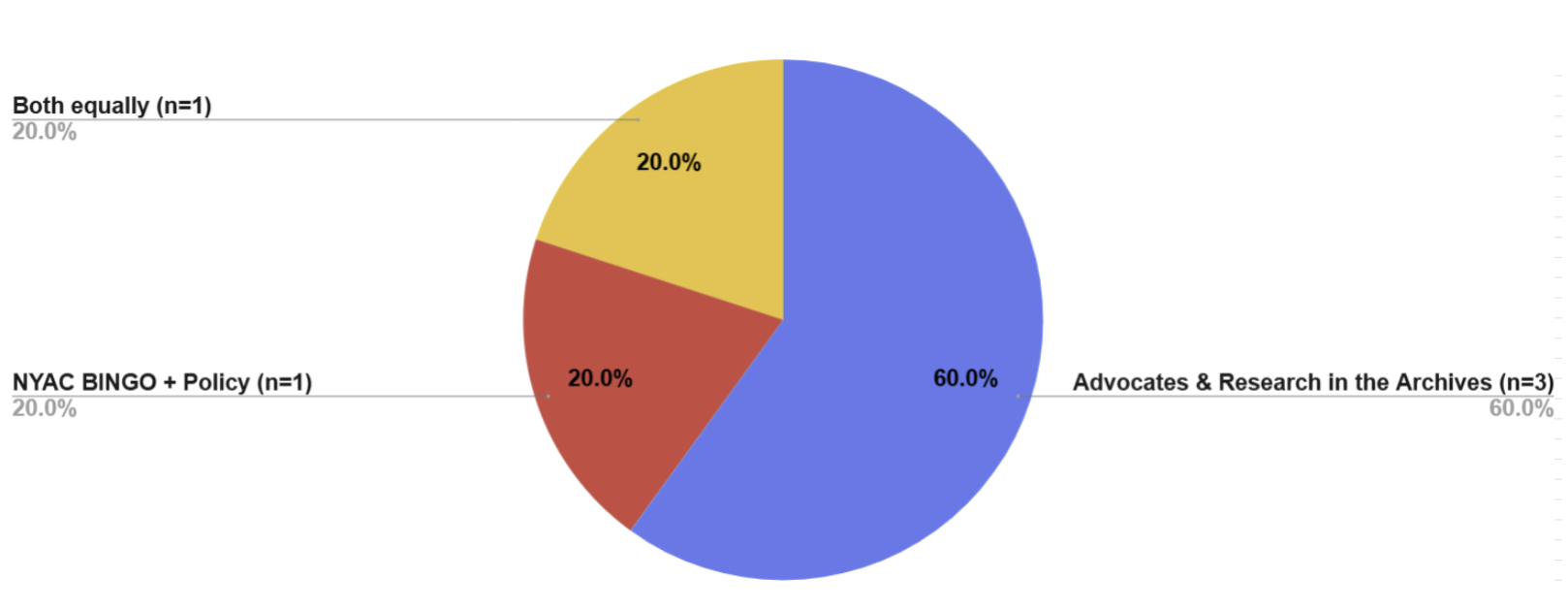
The session stood out for its clarity, relevance, and ability to translate archival research into concrete advocacy tools.
Friday’s Community Impact

“Thinking back on IGNYTE, a specific moment that had a profound impact on me was getting to know the other adults in the room during the day after first arriving. Making connections with people there from all over the U.S.—from speakers to peers to parents of said peers—was incredibly meaningful.”
(Samuel De Falco, rising Junior at Sycamore High School in Cincinnati, OH)

“Working alongside students from around the world was an incredible experience that pushed me to see issues from new perspectives and build meaningful connections.”
(Mark Peña, Senior at Newark Academy in Livingston, NJ)
“I had a really great experience at the IGNYTE Symposium. I enjoyed getting to meet so many new people across generations…”
(Amirah Brown, Sophomore at Almeta Crawford High School in Rosharon, TX)
Friday was a strong day for community‑building. All respondents rated their overall learning experience as Good or Excellent, and 80% reported feeling “A Lot” or “A Great Deal” more connected to their peers.
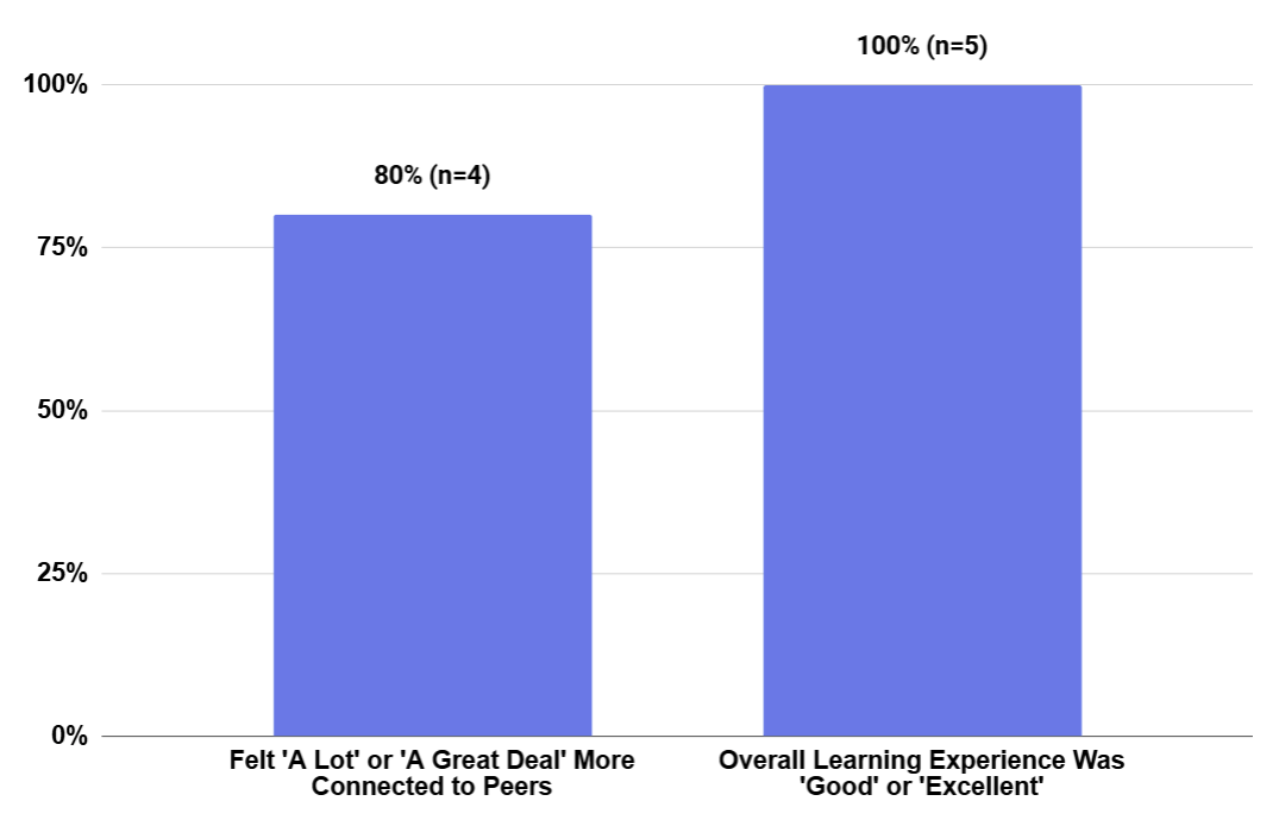
Fellows left the day feeling more grounded in each other and in the work ahead—a foundation that strengthened their learning throughout the rest of the Symposium.
3. What Fellows Learned on Saturday: Intersectionality, History, and Policy in Action
Saturday focused on two interconnected sessions: Intersectionality & History: Moving from Voice for the Voiceless to Microphones for the Muted and Using Research & Public Policy to Drive LGBTQ+ Inclusive Advocacy. The response rate was 20%, with 4 of the 20 attending fellows completing the survey. Together, they helped fellows connect identity, historical context, and systems‑level change to the work of youth‑led advocacy.
Intersectionality & History: Moving from Voice for the Voiceless to Microphones for the Muted

“Immersing myself in conversations about intersectionality and global LGBTQIA+ advocacy opened my eyes to the depth and urgency of the fights that shape our lives.”
(Lydia Berry, Junior at Midtown High School in Atlanta, GA)
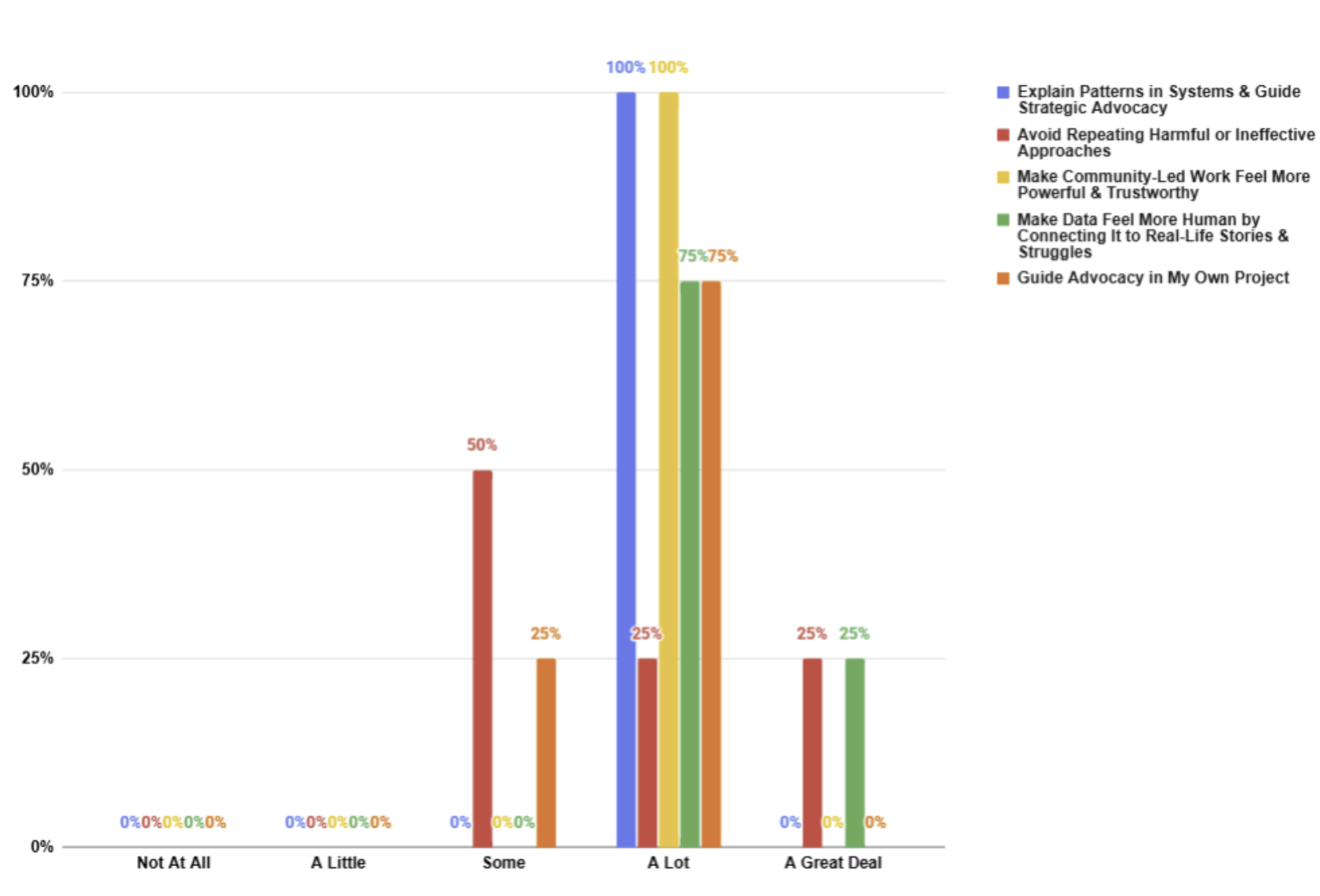
The Saturday survey included detailed learning questions about how intersectionality, history, and past research can:
Explain patterns in systems
Avoid harmful or ineffective approaches
Strengthen community‑led work
Humanize data
Guide advocacy in fellows’ own projects
Across all five learning questions, fellows felt that they learned “Some,” “A Lot,” or “A Great Deal.”
Using Research & Public Policy to Drive LGBTQ+ Inclusive Advocacy

“One of the most impactful moments at IGNYTE was speaking with Dr. Truong about how to conduct effective research, and their guidance gave me a framework I applied directly to my advocacy work.”
(Sid Sundar, Junior at The Harker School in San Jose, CA)
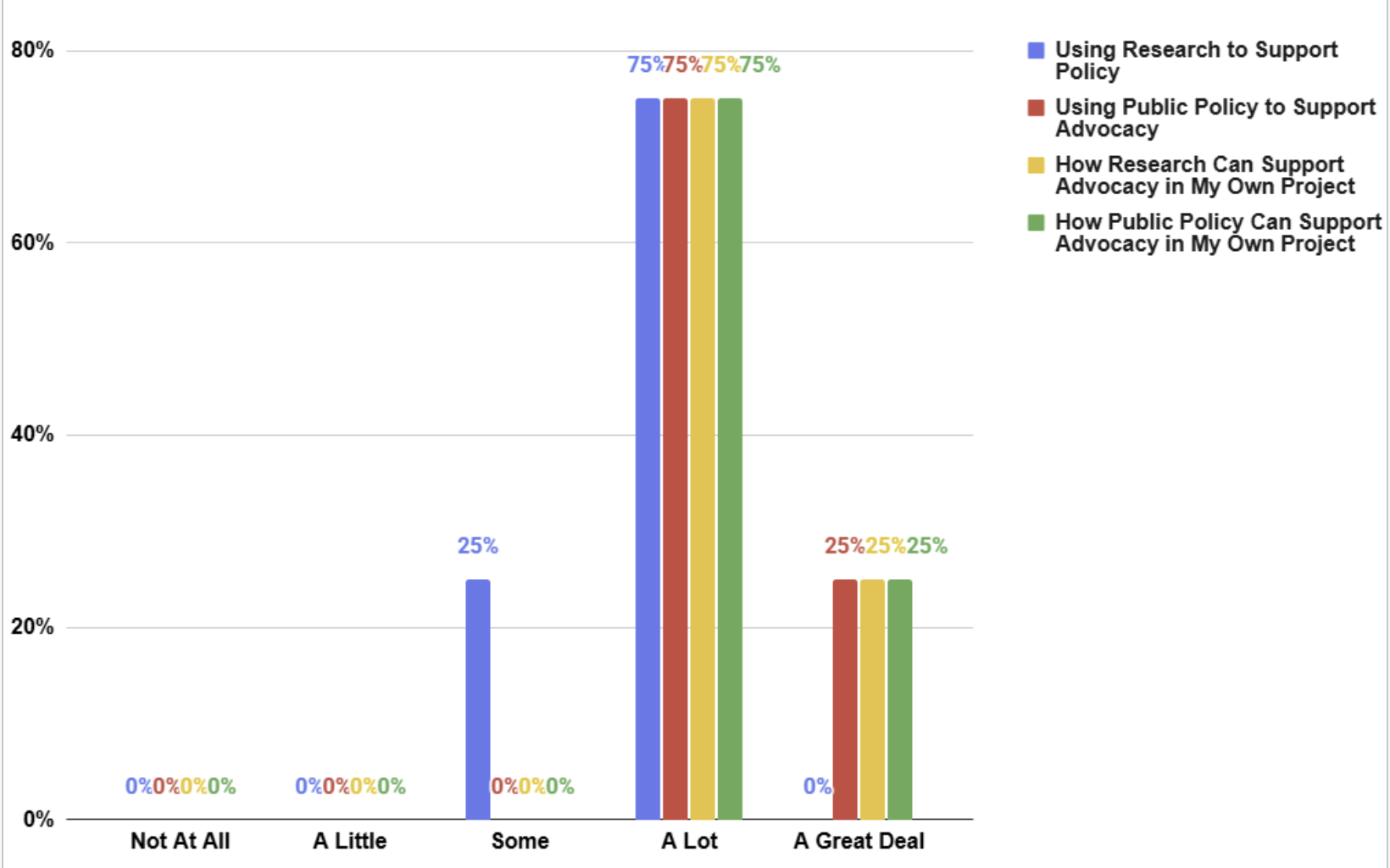
Similarly, fellows were asked how much they learned about:
Using research to support advocacy
Using public policy to support advocacy
Applying research to their own projects
Applying policy to their own projects
Across all four learning questions, fellows felt that they learned “Some,” “A Lot,” or “A Great Deal.” Specifically, fellows learned “A Lot” or “A Great Deal” on:
Using Public Policy to Support Advocacy
How Research Can Support Advocacy in My Own Project
How Public Policy Can Support Advocacy in My Own Project
Fellows learned “Some” or “A Lot” on Using Research to Support Policy.
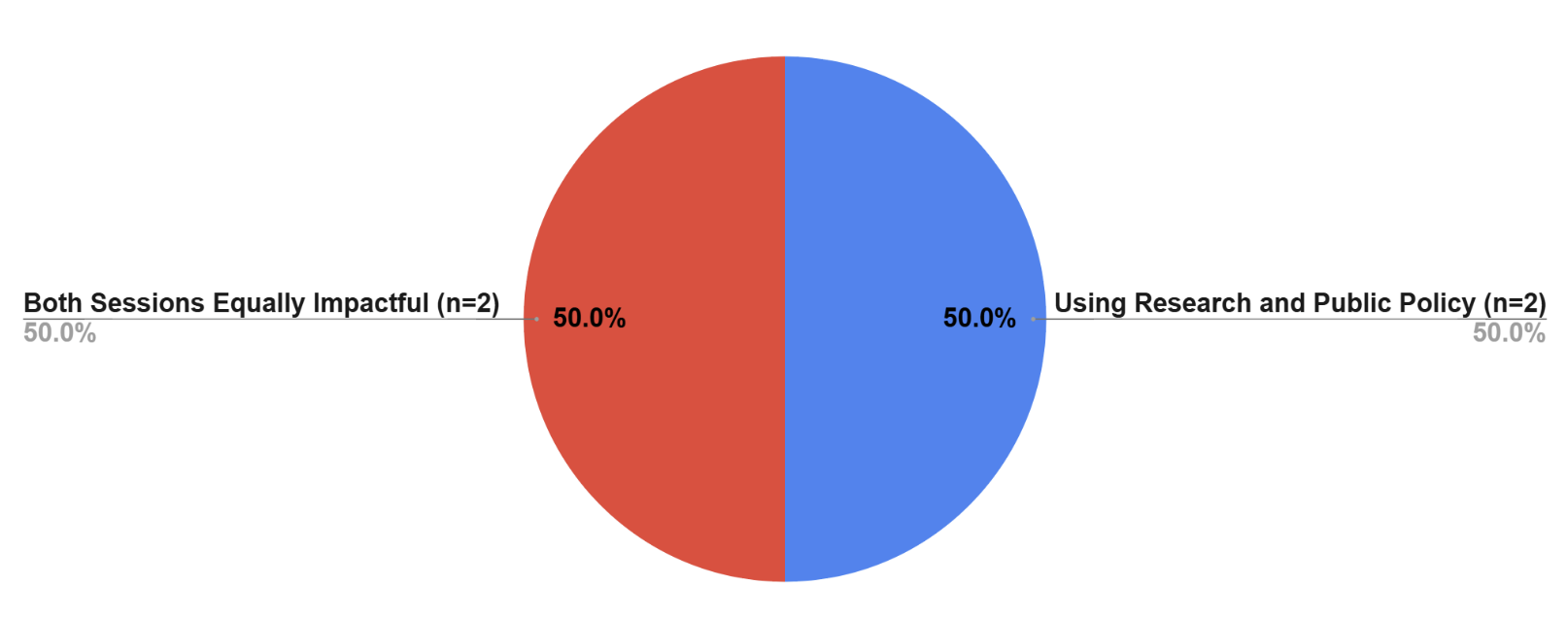
Which Saturday Session Had the Biggest Impact?
Fellows found value in both sessions, with half naming the policy and research workshop as especially impactful.
Overall Learning Experience
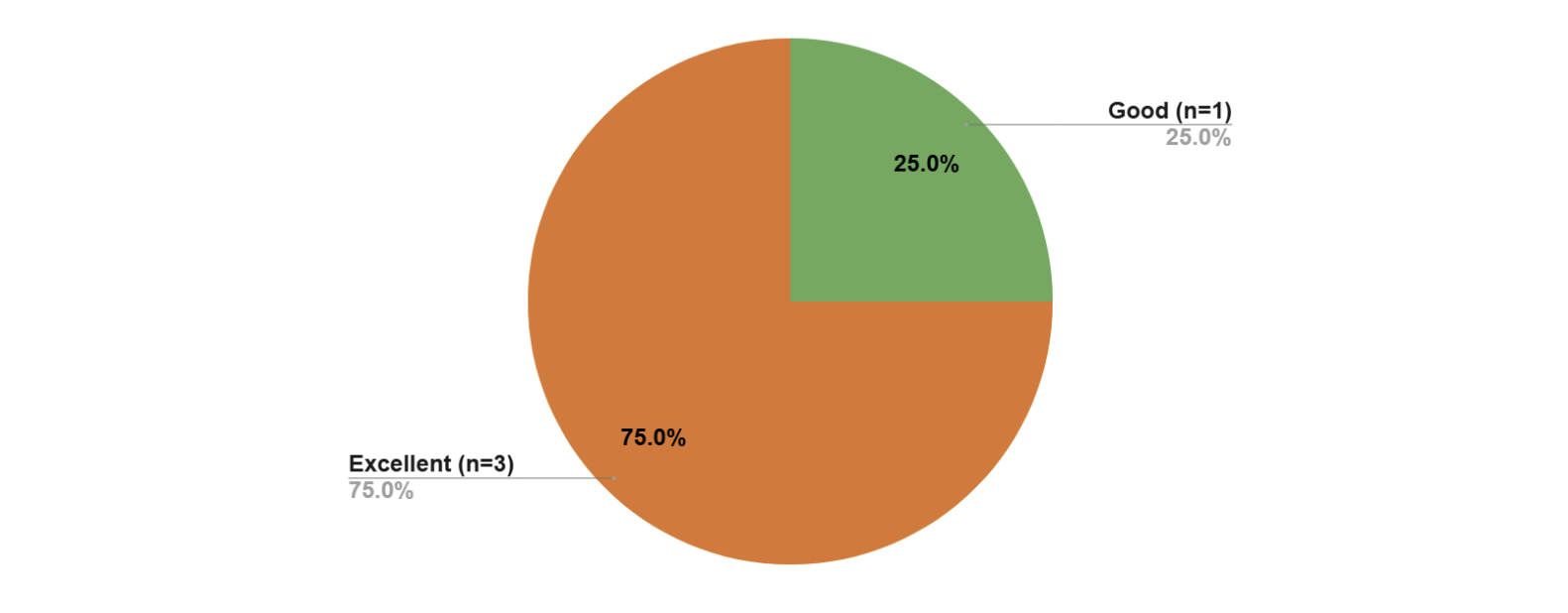
Three fellows (75%) rated the day “Excellent” and one fellow (25%) rated the day “Good.”
4. Post‑Symposium Evaluation: Immediate Feedback After IGNYTE
“Attending the IGNYTE Symposium at 16 years old fundamentally changed the way I see myself and my place in the world, showing me for the first time what becomes possible when brilliant, diverse minds gather with genuine purpose.”
“Seeing attendees genuinely want to purchase a shirt confirmed that our idea has real traction, and the enthusiasm gave me the confidence that my voice and my work belong in the larger conversation about historical preservation.”
“...and especially learning from peers doing different collaborative research projects.”
At the end of the four-day Symposium, fellows completed a Post‑Symposium evaluation to reflect on their overall learning experience, the usefulness of the workshops, and how IGNYTE shaped their understanding of advocacy, identity, and community. Although the response rate was modest (20%), with 4 of the 20 attending fellows completing the survey, the feedback provides a valuable snapshot of how fellows felt immediately after the event.
Across the evaluation, fellows emphasized three themes:
Workshops were engaging and relevant. Fellows reported that the sessions helped them understand how research, policy, and history intersect to shape social change.
Community building was a major strength. Many described feeling more connected to the LGBTQ+ community and advocacy networks across the country.
IGNYTE strengthened their confidence as advocates. Fellows left with a clearer sense of how to apply what they learned to their NYAC projects and to their broader leadership journeys.
IGNYTE deepened fellows’ understanding of LGBTQ+ history, intersectionality, and youth-led advocacy. Three-quarters of respondents (75%) reported knowing “A Great Deal” about LGBTQ+ history and one-quarter (25%) reported knowing “A Lot.” Three-quarters (75%) said that they understood intersectionality “Well” or “Very Well.” Half (50%) reported understanding it “Well” how history, research, and advocacy all connect, and half (50%) reported understanding this connection “Very Well.”
When asked about how connected they felt to advocacy networks across the country, 75% said “Somewhat Connected” and 25% said “Very Connected.” Similarly, 75% reported feeling “Somewhat Connected” to the LGBTQ+ community, and 25% reported feeling “Well Connected.”
Fellows also expressed strong confidence in their advocacy skills. Half (50%) reported feeling “Confident” speaking up about social justice issues, and half (50%) reported feeling “Very Confident.” Three-quarters (75%) said they were “Confident” or “Very Confident” using data to support social justice work, and the same proportion reported feeling “Confident” or “Very Confident” using public policy to support social justice work.
This immediate feedback underscores the Symposium’s role in grounding fellows in shared purpose and equipping them with tools they could begin using right away.
5. Retrospective Look: What Fellows Remembered One Month Later
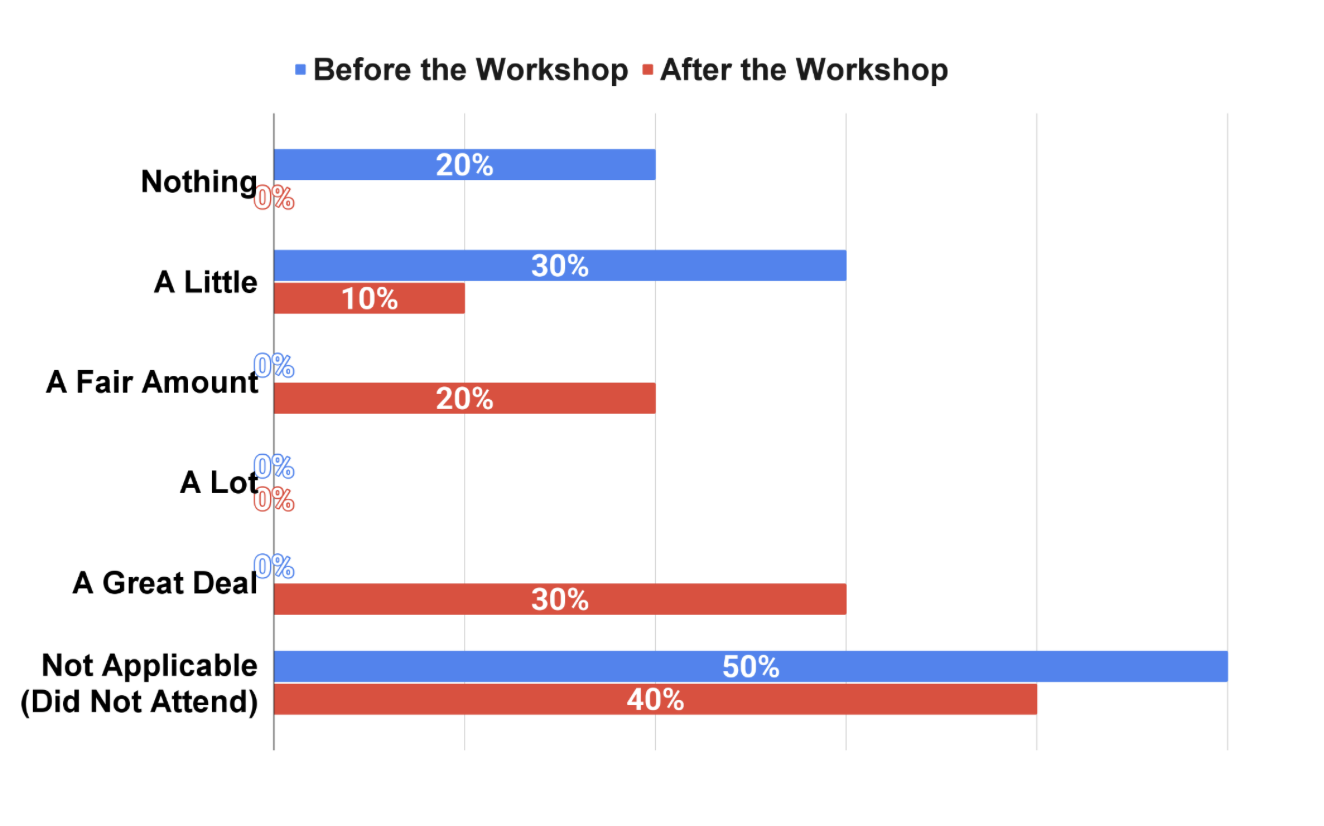
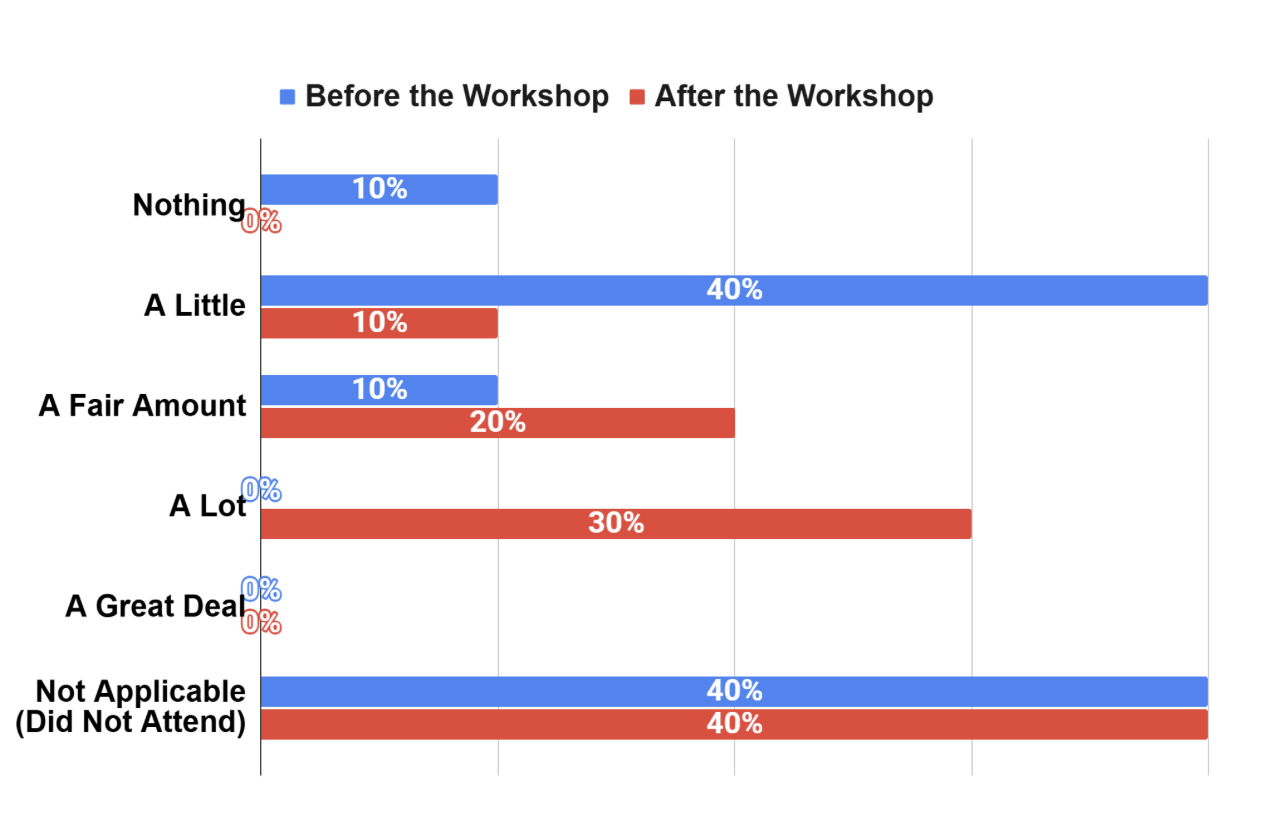
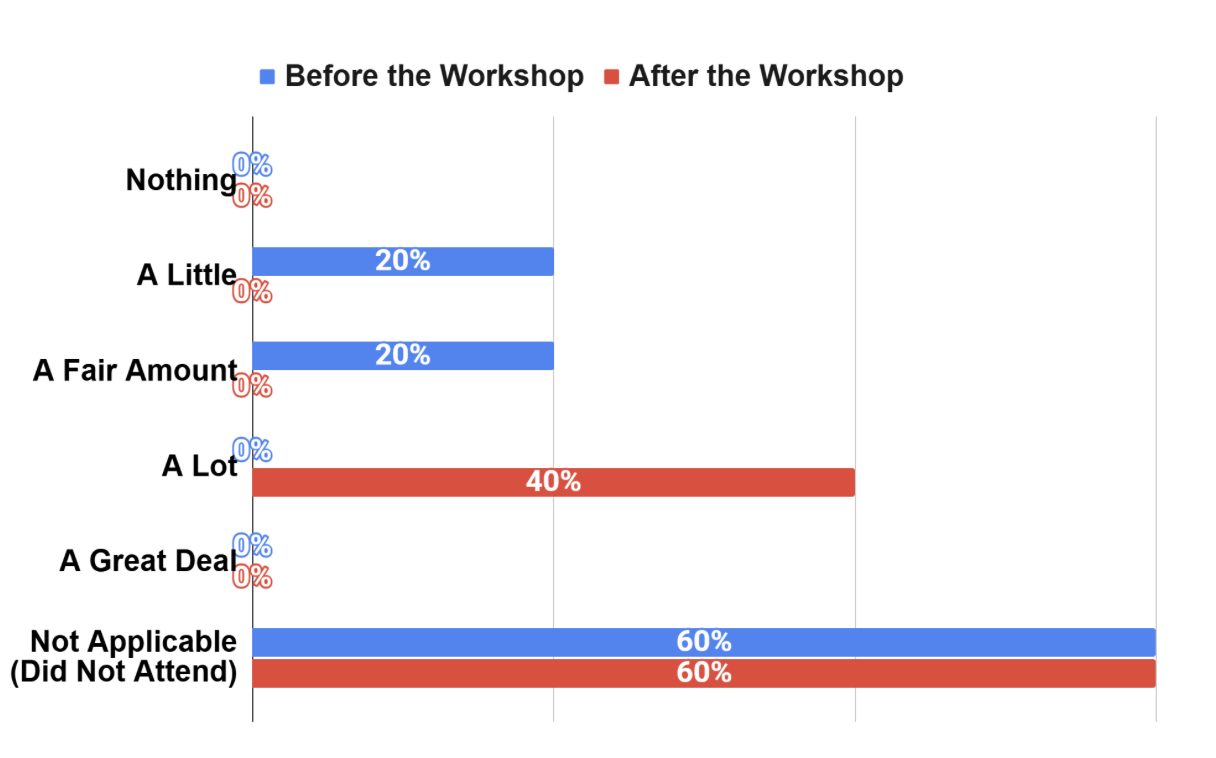
Because response rates were low for IGNYTE’s end‑of‑day surveys, fellows completed a retrospective “before and after” survey during their November 13 check‑in meeting. Ten out of 20 fellows completed the survey (50% response rate), offering a clearer picture of how much they learned.
Advocates & Research in the Archives
Fellows who attended this workshop reported clear increases in knowledge, with many moving from “Nothing” or “A Little” to “A Fair Amount,” “A Lot,” or “A Great Deal.”
Intersectionality & History
Fellows who attended this workshop moved from introductory understanding to deeper conceptual grounding, with noticeable shifts from “A Little” to “A Fair Amount” or “A Lot.”
Using Research & Public Policy for LGBTQ+ Advocacy
Fellows who attended this workshop reported meaningful increases in knowledge, with several moving from “A Little” or “A Fair Amount” to “A Lot.”
What IGNYTE 2025 Reveals About Youth Leadership
Across all surveys—Pre‑Symposium, Friday, Saturday, the immediate Post-Symposium evaluation, and the one-month-later Retrospective survey—several themes emerged that illuminate how young people learn and lead when given the right conditions.
1. Youth leadership grows when learning is concrete, applied, and historically grounded.
“Presenting my own research on gentrification and environmental justice helped me realize that my voice as a young Black woman in Atlanta is not only needed, but powerful enough to matter.”
“I also had the chance to demo We Wear the Word, our wearable knowledge project that prints QR codes onto recycled t‑shirts linking to erased histories and the stories of overlooked heroes, essentially acting like a walking museum confronting censorship through fashion.”
Across surveys, fellows consistently described the applied workshops as the most meaningful. On Friday, the Advocates & Research in the Archives session stood out, with most respondents rating it “Very Helpful” and identifying it as the workshop that taught them the most about advocacy skills. In the immediate Post‑Symposium evaluation, fellows again highlighted the value of sessions that connected history, research, and policy to real-world advocacy. One month later, retrospective data showed that these applied sessions were among the areas where fellows reported the clearest increases in understanding, with many moving from “Nothing” or “A Little” to “A Fair Amount,” “A Lot,” or “A Great Deal.” These patterns suggest that hands‑on, historically grounded learning resonated strongly with fellows.
2. Youth deepen their advocacy when history, intersectionality, research, and policy are taught together.
At the Saturday Intersectionality & History workshop, fellows reported learning “Some,” “A Lot,” or “A Great Deal” about how intersectionality, history, and past research can explain systemic patterns, avoid harmful approaches, strengthen community‑led work, humanize data, and guide their own advocacy. In the Using Research & Public Policy to Drive LGBTQ+ Inclusive Advocacy workshop, they also reported strong gains in understanding how research and public policy can support their projects. In the Retrospective survey, fellows who attended these sessions showed clear increases in knowledge, moving from introductory familiarity to deeper grounding in how history, intersectionality, research, and policy can inform their advocacy work.
3. Youth see community building as a source of connection and belonging.
“I am always looking for ways to broaden my worldview, so getting acquainted with multiple different perspectives there meant a lot to me.”
“It was inspiring to see how passionate and creative people are, and it gave me a lot to think about in pursuit of college and thereafter.”
Friday’s survey data showed that 80% of fellows felt “A Lot” or “A Great Deal” more connected to their peers, and this sense of belonging continued throughout the Symposium. In the Post‑Symposium evaluation, fellows again emphasized the importance of community, noting that they felt more connected to the LGBTQ+ community and to advocacy networks across the country.
4. Youth see actionable policy and research education as meaningful learning.
“IGNYTE gave me the opportunity to research a topic I genuinely care about, while bringing together my interests in medicine and advocacy in a way that felt both impactful and personal.”
Across Saturday’s workshops, fellows reported learning “Some,” “A Lot,” or “A Great Deal” about how research and public policy can support advocacy, particularly in their own projects. In the Post‑Symposium evaluation, they described leaving IGNYTE with a clearer sense of how these tools could inform their work. One month later, retrospective data showed that these areas remained among the strongest reported learning gains, with several fellows moving from limited prior knowledge to higher levels of understanding. The data show that fellows consistently associated actionable policy and research content with meaningful learning during and after the Symposium.
Interpreting the Findings
While the themes above are consistent across all surveys, it is important to interpret the results with care. The sample sizes for the 5 surveys were small, ranging from 4 to 10 respondents—so the findings are best understood as directional rather than comprehensive. Even so, the alignment between immediate Post‑Symposium reflections and the one‑month‑later Retrospective survey suggests that these patterns are meaningful. Taken together, the data provide a valuable early picture—much like pilot findings—of how IGNYTE shapes youth leadership development and where future programming can deepen its impact.
Looking Ahead
IGNYTE 2025 affirmed that young people are ready to lead—and that when we invest in their knowledge, their community, and their ability to understand systems, they rise to the moment. The evaluation findings point to several priorities for strengthening future fellowship programming:
Deepen applied learning. Fellows responded most strongly to workshops that offered concrete tools, historical grounding, and clear pathways to action.
Continue nurturing community as a source of connection and belonging. The strong sense of connection with their peers that emerged on Friday—and fellows’ increased feelings of connection to the LGBTQ+ community and advocacy networks in the Post‑Symposium evaluation—shows that community remains an important part of how fellows experience the program.
Integrate research and policy more explicitly into fellows’ project work. Saturday’s learning gains show that fellows are ready to apply these tools to their own advocacy efforts.
Looking ahead to next year, the evaluation also highlights two opportunities to strengthen how fellows share and refine their work:
Create peer‑based presentation spaces for new NYAC projects. Fellows benefit from time, feedback, and collaborative strengthening. Peer sessions would allow new projects to develop more depth before moving to larger stages.
Elevate returning fellows’ final projects onto a bigger platform. Alumni projects deserve a wider audience and a more visible stage—both to honor their work and to model what long‑term youth‑led advocacy can look like.
As the NYAC Fellowship continues, these insights will guide how we design learning experiences that honor youth voice, deepen advocacy skills, and build a generation of leaders equipped to transform their communities with clarity, courage, and historical awareness.