
Equity Shall Prevail (ESP) Fellowship
Black & Brown Trans Leadership, Academic Empowerment & Civic Engagement
Founded by Jennifer Barnes-Balenciaga
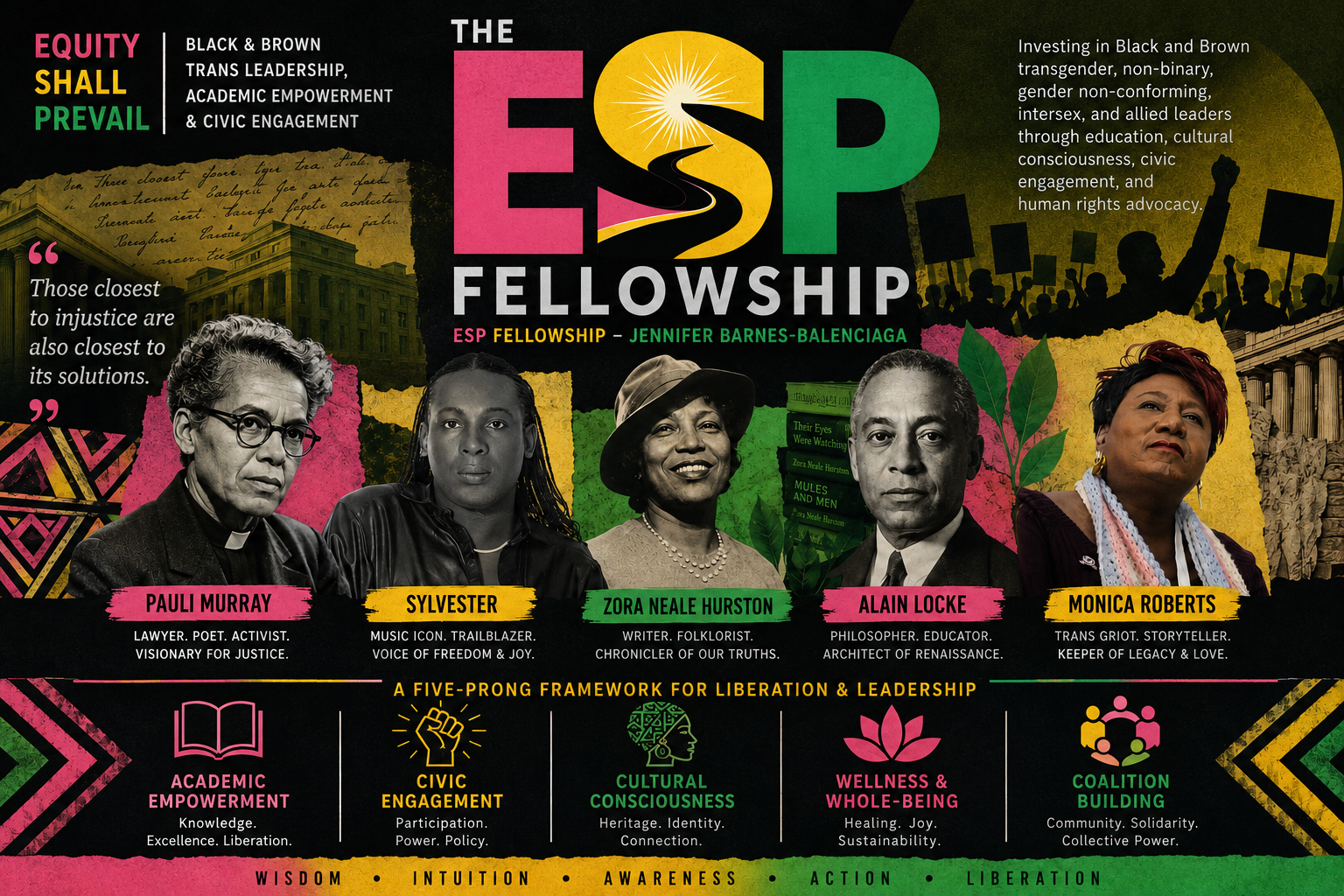
The ESP Fellowship is a transformative leadership and educational initiative that invests in Black and Brown transgender, non-binary, gender non-conforming, intersex, and allied leaders through academic empowerment, civic engagement, cultural identity, and human rights advocacy.
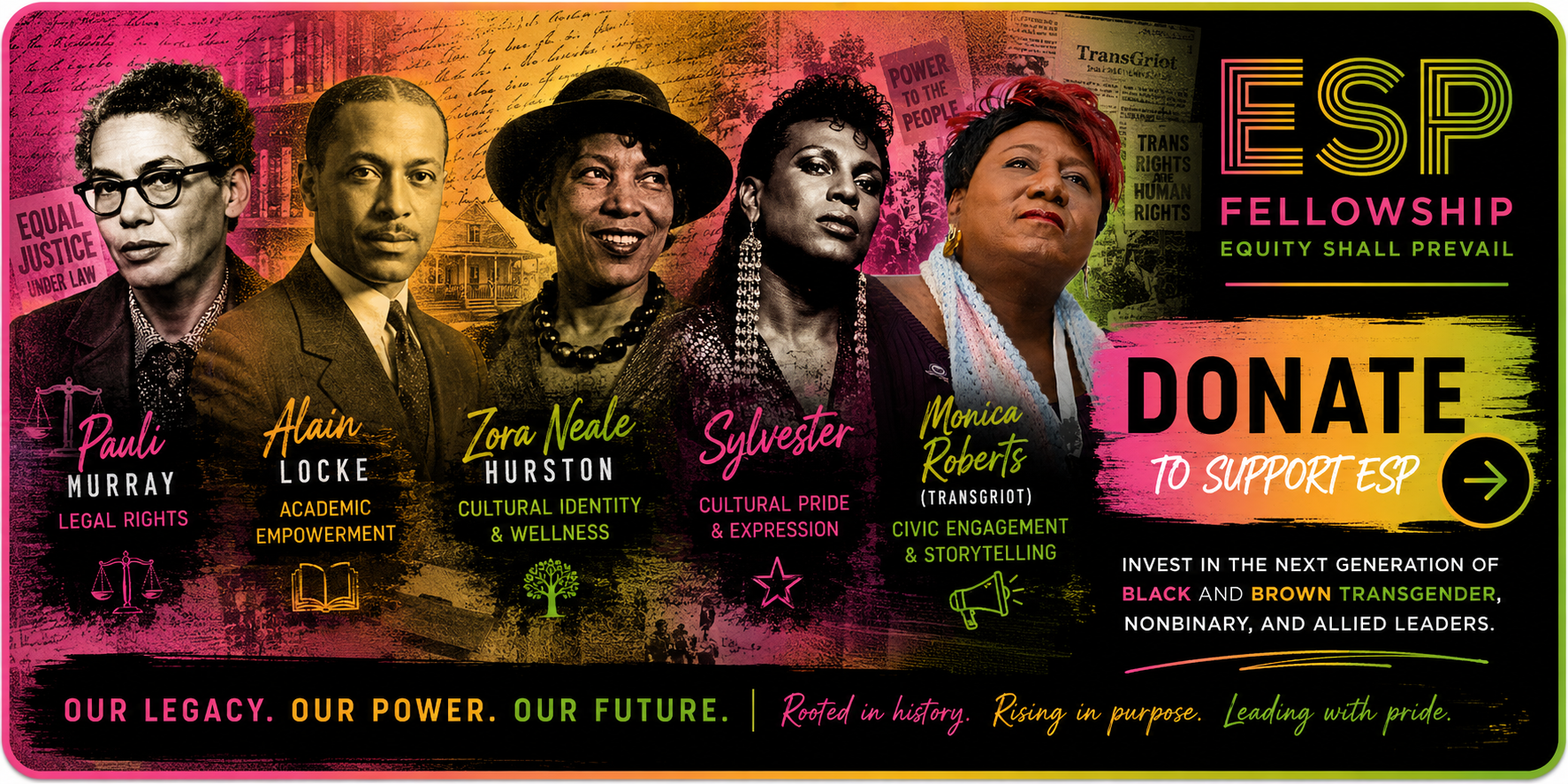
Inspired by the lives and legacies of Pauli Murray, Alain Locke, Zora Neale Hurston, Sylvester, Monica Roberts and other Black intellectual and cultural visionaries, the fellowship centers education as a pathway to liberation, democratic participation, and collective flourishing. The program combines Black cultural consciousness, gender affirmation, civic engagement, and academic excellence into a comprehensive five-prong framework.
The fellowship’s name carries a dual meaning. Equity Shall Prevail expresses a bold commitment to justice and human dignity. At the same time, ESP evokes an “extra-sensory perception”—the wisdom, intuition, and heightened awareness that marginalized communities often develop to navigate and transform a world not always built for them. This form of knowing is not mystical but lived: an ability to perceive inequity, imagine alternatives, build community, and lead with courage.
Through a multidisciplinary framework encompassing leadership development, academic achievement, cultural consciousness, wellness, and coalition building, the ESP Fellowship equips emerging leaders with the knowledge, skills, and networks necessary to shape institutions, advance equity, and organize the future. Rooted in the belief that those closest to injustice are also closest to its solutions, the fellowship cultivates leaders whose vision, resilience, and insight help create a more just and liberated world.
Visionary & Acting Director
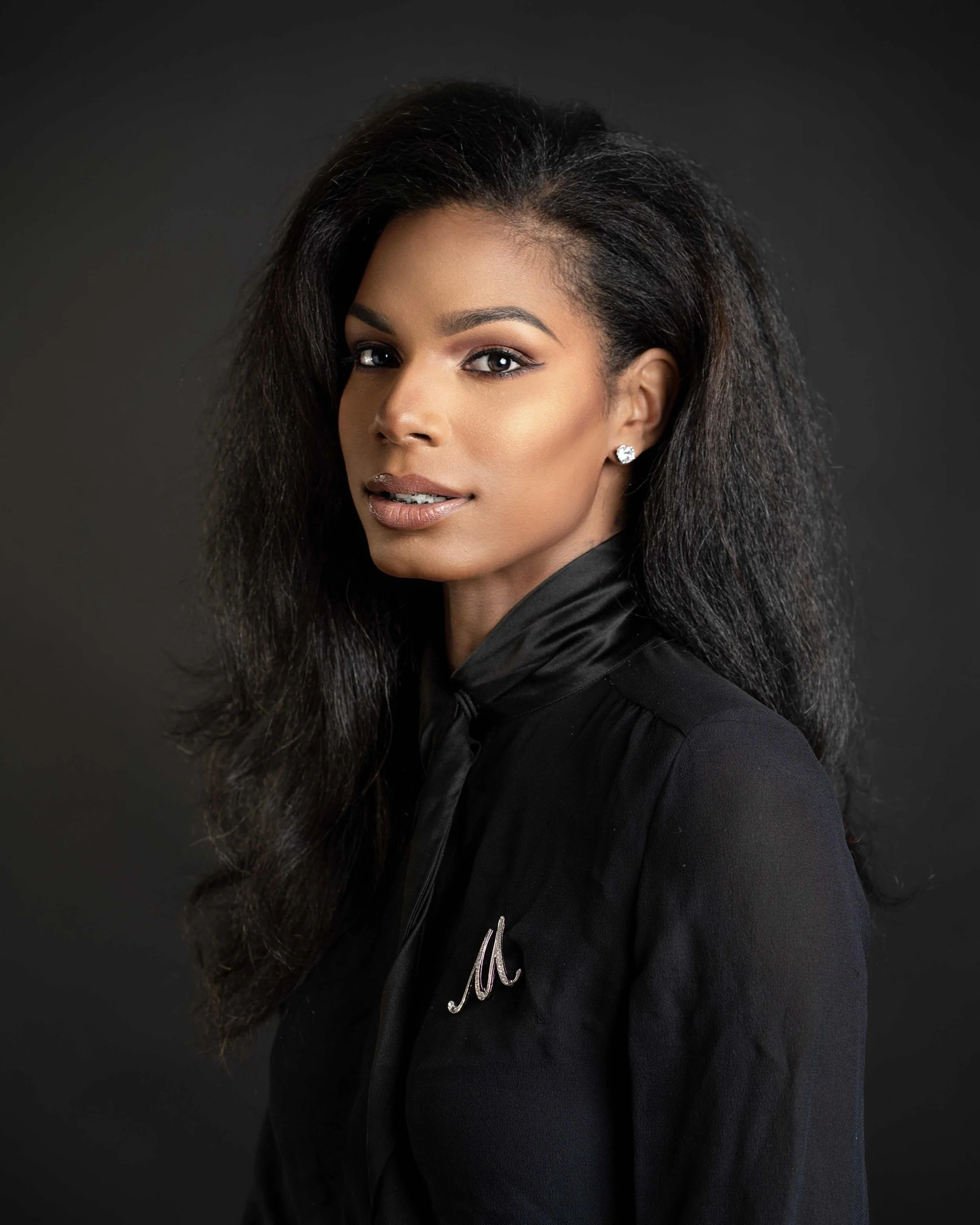
Jennifer Barnes-Balenciaga (Mrs. McQueen) is a internationally recognized political and public health advocate, community leader, and scholar originally from Cincinnati, Ohio. A current New York City resident, she holds a Bachelor of Arts degree from Baruch College, where she earned a double major in Political Science and Sociology and a minor in Law and Policy.
After relocating from Cincinnati to Atlanta in 2010, Jennifer began building a reputation as a dedicated HIV advocate, community organizer, and emerging leader within Black LGBTQ+ communities. Through grassroots advocacy, public health education, and community engagement efforts, she established herself as a trusted voice on issues impacting Black LGBTQ+ people, particularly around HIV prevention, health equity, and social justice.
A pivotal moment in Jennifer’s leadership journey occurred in 2016 while she was already living and organizing in Atlanta. During an MLK Weekend panel discussion focused on LGBTQ+ stigma, Jennifer served as a panelist alongside renowned poet, activist, and educator Tim’m T. West. During the event, the two discovered they were both originally from Cincinnati, Ohio, creating an immediate connection that evolved into a meaningful mentorship. By that time, Jennifer had already established herself as an emerging advocate through her HIV prevention work, community organizing, and public health leadership. West’s mentorship further strengthened her commitment to movement-building, civic engagement, and Black LGBTQ+ liberation.
One of the earliest opportunities to emerge from that mentorship was Jennifer’s appointment by West as Vice President of Cincinnati Black Pride. The role represented the first major opportunity for her to apply the leadership principles and community-centered strategies cultivated through mentorship while advancing her own vision for advocacy and social change. Through this position, Jennifer expanded her experience in organizational leadership, community engagement, event planning, and coalition building, strengthening a foundation that would later influence her work in public policy, public health, and civic engagement.
Jennifer went on to become an influential leader in Atlanta, where she resided for eleven years. In January 2018, she was appointed by Georgia State Representative Park Cannon as the first LGBTQ+ Liaison in the history of the State of Georgia, serving until September 2022. During her tenure, Jennifer contributed to numerous legislative and civic initiatives, including advocacy efforts surrounding HB 290, Georgia’s Pilot PrEP Access legislation. She also collaborated on efforts to commemorate Georgia LGBTQ+ leaders and helped organize and support community mobilization efforts including World AIDS Day observances, HIV testing initiatives, Black Pride celebrations, LGBTQ+ rallies, and public health awareness campaigns.
As Jennifer’s influence expanded throughout Atlanta and nationally, her continued mentorship with Tim’m West opened additional opportunities for impact. In recognition of her trailblazing work in public health advocacy, LGBTQ+ organizing, and civic leadership in Atlanta and across the country, West appointed her to serve on the Board of the LGBTQ+ Institute at the National Center for Civil and Human Rights. Through this role, Jennifer contributed to advancing conversations around LGBTQ+ equity, racial justice, civic participation, and human rights while helping shape educational and community engagement initiatives.
Most recently, Jennifer completed an 18-month internship with the Community Affairs Unit of the Manhattan Borough President’s Office in New York City. During her tenure, she created the office’s first Digital LGBTQIA+ Resource Guide, expanding access to affirming resources and services throughout New York City. She also co-produced the LGBTQ+ Business Summit in partnership with the National LGBT Chamber of Commerce (NGLCC), the Manhattan Borough President’s Office, and Sunnyside Shines Business Improvement District, helping strengthen relationships between LGBTQ+ entrepreneurs, community organizations, and civic leaders.
A published advocate and public voice, Jennifer has been featured on Season 2 of the FX television series Pose and in prominent publications including The New York Times, Teen Vogue, Harvard Public Health, and Verywell Health. She currently serves as a Commissioner on New York City’s Commission on Gender Equity and has contributed to advisory and leadership initiatives with Community Board programs, the CUNY School of Medicine, and the New York Center for Advancing Translational Research and Health.
Jennifer is now the Acting Director of The Equity Shall Prevail (ESP) Fellowship at the Bayard Rustin Institute, where she leads leadership development, civic engagement, and educational initiatives designed to empower emerging advocates and community leaders.
Jennifer is also a proud member of the legendary House of Balenciaga, one of the most influential institutions within the House and Ballroom Community. Through her work in public health, public policy, LGBTQ+ advocacy, and civil rights, she continues to advance a vision of equity, dignity, and liberation rooted in service, leadership, and transformative social change.
ESP Foundational PIllars
-
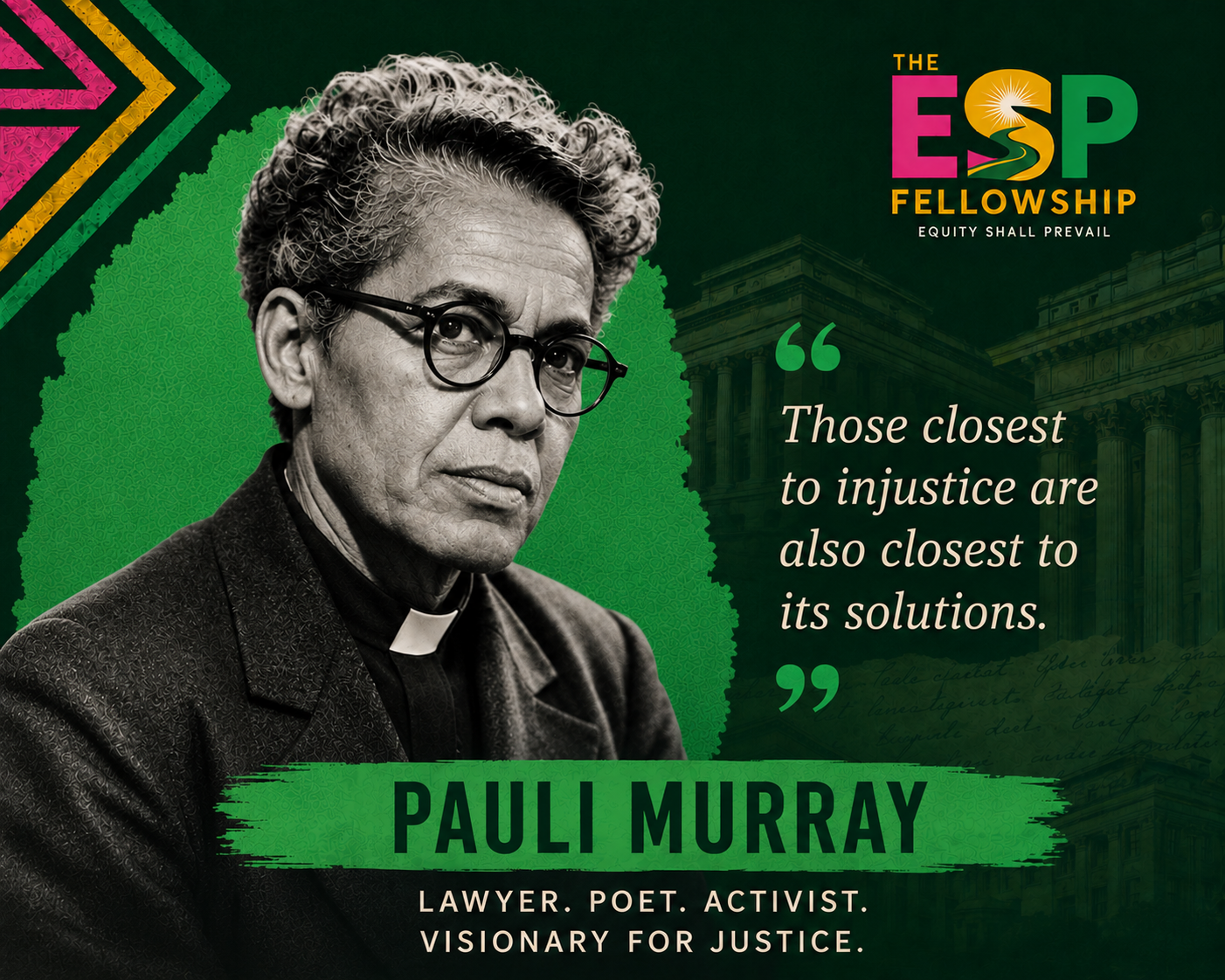
Legal rights and human rights advocacy begin with the belief that laws should expand freedom, protect dignity, and advance justice for all. Few figures embody this principle more profoundly than Pauli Murray. Born in Baltimore and raised in Durham, Murray spent a lifetime challenging systems of inequality long before many of their ideas gained widespread recognition. A pioneering legal thinker, Murray’s writings on race and sex discrimination laid intellectual groundwork for landmark civil rights victories, influencing arguments later advanced in cases such as Brown v. Board of Education and the development of sex discrimination law. Murray’s concept of “Jane Crow” illuminated the intersecting harms of racism and sexism decades before the term “intersectionality” entered public discourse. As an advocate, scholar, and the first Black woman ordained as an Episcopal priest, Murray demonstrated that human rights work requires courage, imagination, and persistence across multiple arenas of change. Their legacy challenges fellows to view advocacy not simply as responding to injustice, but as reimagining institutions and laws so that every person can live with dignity, equity, and freedom.
-
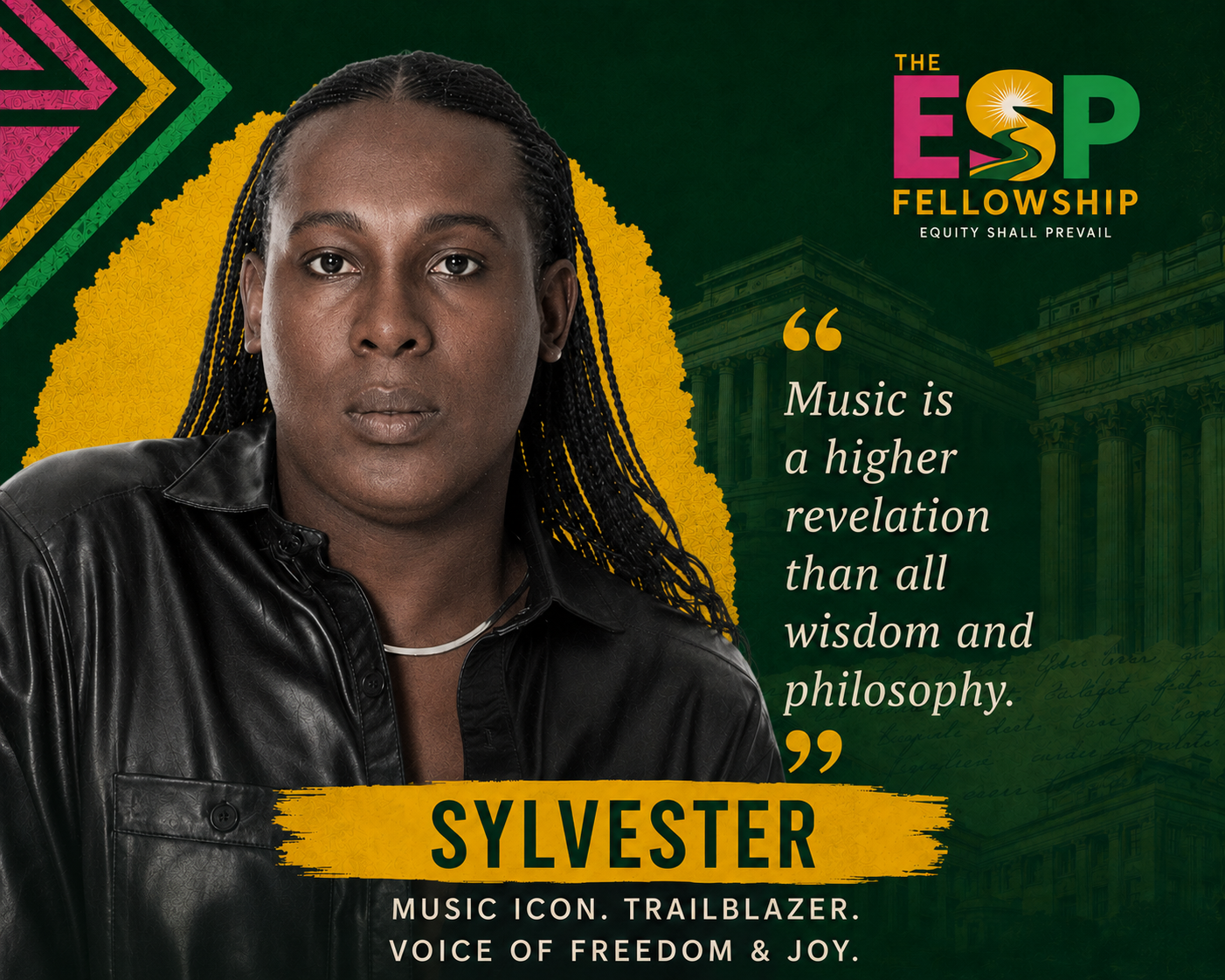
Black pride and cultural identity flourish when people are free to express the fullness of who they are and inspire others to do the same. Few artists embodied this spirit more boldly than Sylvester. Born in the Watts neighborhood of Los Angeles and later becoming a beloved cultural icon in San Francisco, Sylvester challenged conventional understandings of race, gender, and sexuality through his music, fashion, and unapologetic authenticity. At a time when Black LGBTQ+ identities were often marginalized both within and outside of Black communities, he insisted on taking up space exactly as he was—joyful, glamorous, and undeniably himself. Through hits like You Make Me Feel (Mighty Real), Sylvester created spaces of celebration and belonging that continue to resonate across generations. His legacy reminds fellows that cultural identity is not static; it is lived, expressed, and celebrated. Black pride is both an inheritance and a practice—honoring our histories while embracing the many ways Black people create beauty, community, and liberation in the world.
-
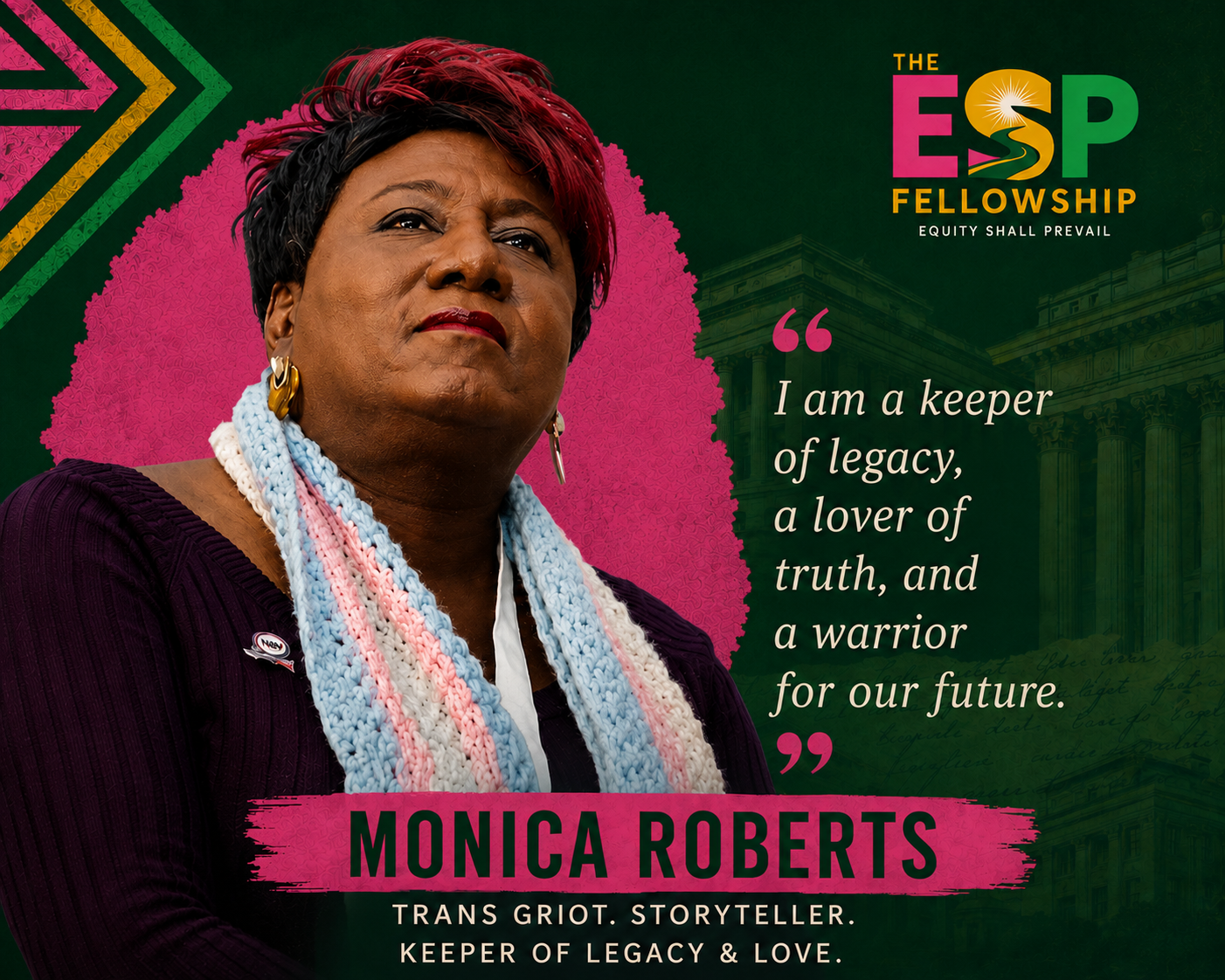
Leadership is most powerful when it is rooted in service, civic engagement, and the ability to build coalitions across communities and movements. Few people exemplify these values more profoundly than Monica Roberts of Houston. Through her groundbreaking blog, TransGriot, Roberts documented the lives, achievements, and struggles of Black transgender people at a time when mainstream media often ignored or erased them. Her work extended beyond journalism into advocacy, political engagement, and movement-building, forging connections among LGBTQ+ activists, civil rights leaders, public officials, and community members. Roberts understood that lasting change requires more than individual leadership—it demands coalition building, strategic partnerships, and a commitment to ensuring that those most marginalized are centered in public life. Her legacy challenges fellows to see civic engagement not as a single act of participation, but as the ongoing work of organizing communities, building bridges across difference, and creating systems that advance justice for all.
-
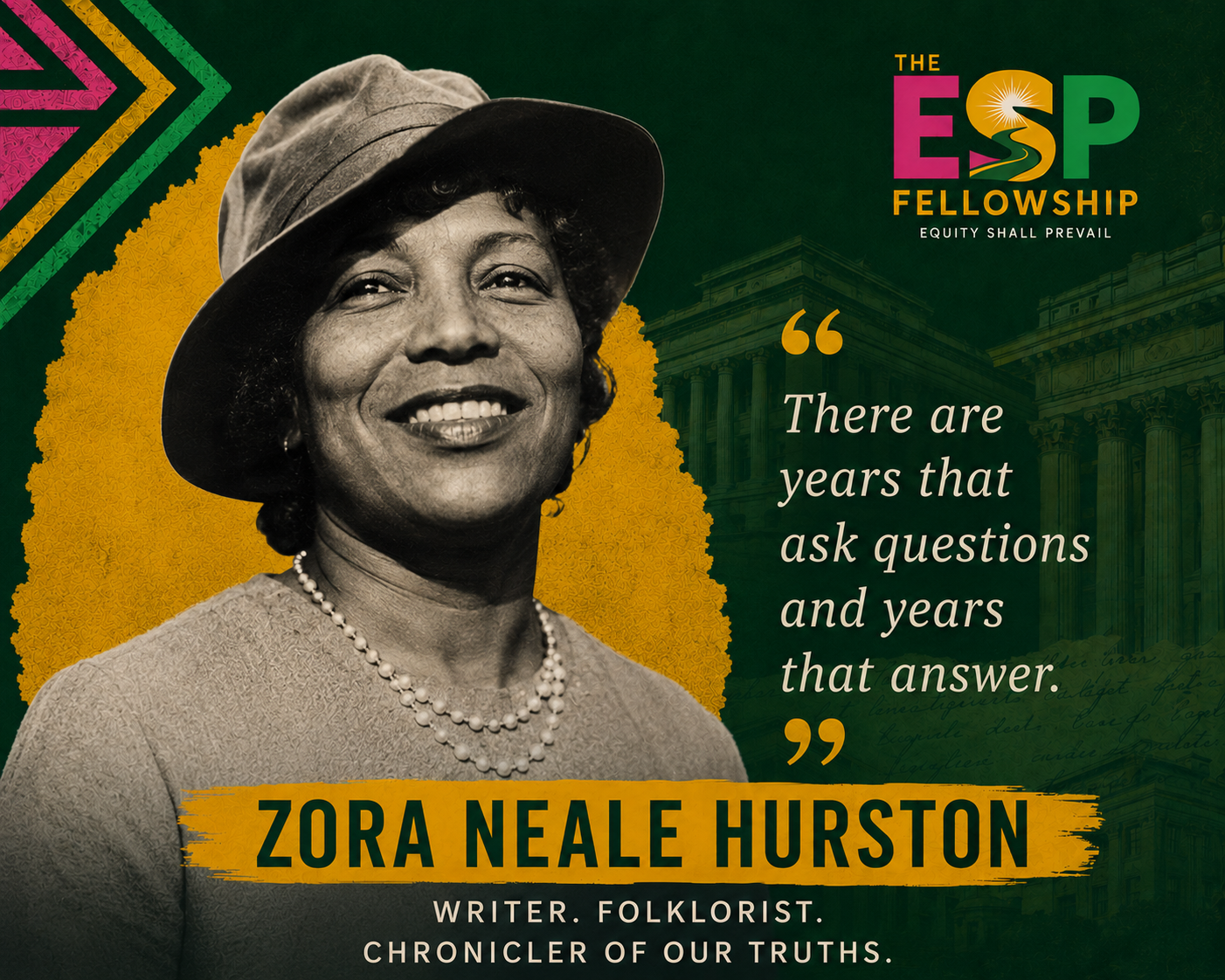
Wellness and self-determination begin with the freedom to define oneself, live authentically, and resist the pressures of conformity. The life and work of Zora Neale Hurston offer a powerful example of this principle. Born in Alabama and raised in Eatonville—one of the first incorporated all-Black towns in the United States—Hurston developed a deep appreciation for identity, culture, and the power of community. Later becoming a leading voice of the Harlem Renaissance, she championed the right of individuals to tell their own stories and reject limiting narratives imposed by society. Through both her scholarship and creative work, Hurston celebrated the complexity of human experience and affirmed the importance of living with dignity and agency. Her legacy invites fellows to consider wellness not only as physical and emotional health, but also as the ongoing practice of self-definition—the courage to know oneself, honor one’s identity, and create a life rooted in authenticity and purpose.
-
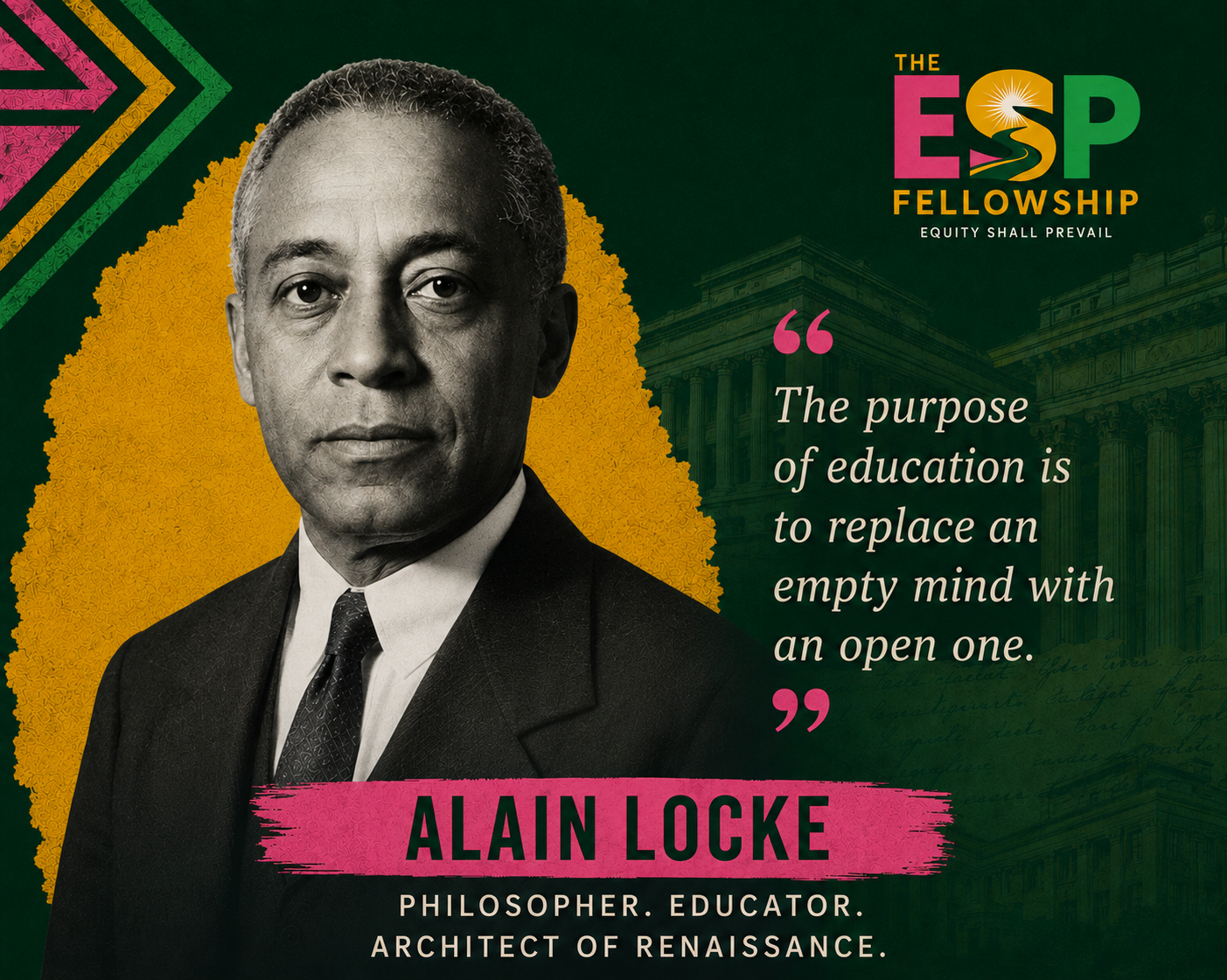
Academic involvement is more than participation in school—it is a lifelong commitment to intellectual growth, critical inquiry, and using knowledge in service of community. Few figures embody this principle more fully than Alain Locke. A graduate of Harvard University and the first Black Rhodes Scholar, Locke spent much of his career teaching at Howard University, where he mentored generations of Black thinkers, artists, and leaders. Though born in Philadelphia, his influence reached nationally through his vision of intellectual empowerment as a pathway to liberation. As the "Dean" of the Harlem Renaissance, Locke believed that education was not simply about personal advancement but about cultivating excellence, dignity, and cultural expression in service of collective progress. His legacy reminds fellows that academic engagement is not merely the pursuit of credentials—it is the deliberate use of learning, curiosity, and scholarship to imagine and create a more just world.