
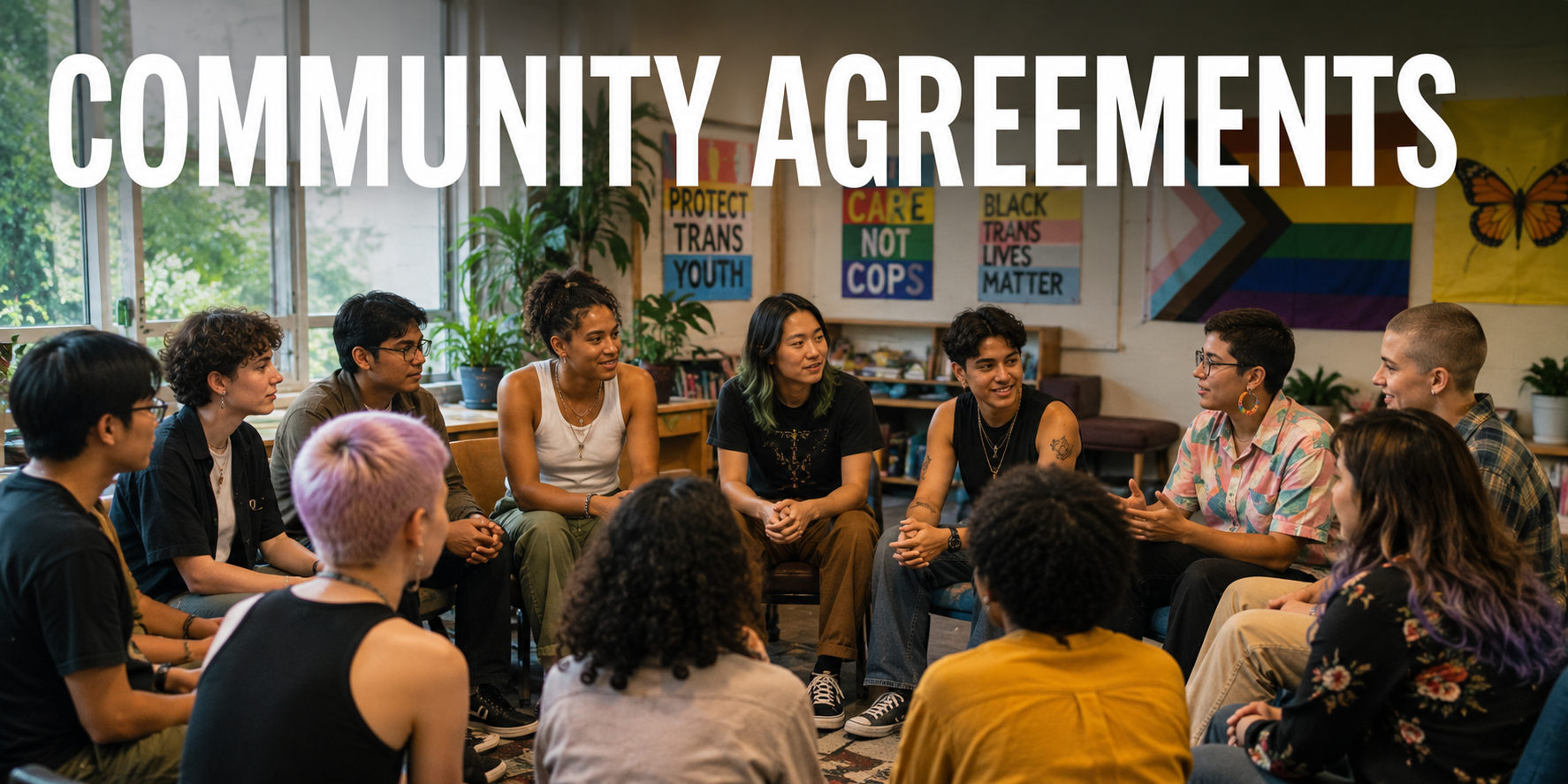
YOU(th) Belong begins with a simple belief: every young person deserves to know they belong.
Whether you identify as straight, queer, transgender, nonbinary, Christian, Muslim, Jewish, atheist, spiritual, politically conservative, politically progressive, politically independent, or you're still discovering who you are, what you believe, and how you hope to contribute to the world, you are welcome here. We recognize that each of us carries different identities, lived experiences, perspectives, and stories. Those differences are not barriers to community—they are the very reason community matters.
History reminds us that our greatest movements for justice have always been strongest when people chose courage over comfort and solidarity over sameness. Lasting change has never belonged to one race, one faith, one gender, one political viewpoint, or one generation. It has always required people willing to listen deeply, disagree respectfully, challenge one another with compassion, and build something larger than themselves.
That is the spirit of YOU(th) Belong.
As members of this community, we ask everyone to help create a space where every person feels seen, respected, and valued. Our Community Agreements are not simply rules—they are commitments we make to one another so that everyone has the opportunity to learn, grow, lead, and belong.
Together, we can build the kind of Beloved Community that Bayard Rustin envisioned—one rooted not in agreement on everything, but in our shared commitment to one another's dignity, humanity, and collective liberation.
-
By using statements starting with “I”, we acknowledge that none of us are representatives of the lived experience of others. No one speaks for an entire group.
Examples: “I feel like…” or “To me, this means…”
-
When discussing deep topics, you often uncover parts of yourself you didn’t previously understand or you find that you don’t agree with some people. This is normal and we want to support you in learning to be okay without closure.
-
When learning about something like identity, people often make mistakes or say things that they don’t understand are harmful. This also happens in everyday conversations. Jumping to the worst conclusion often escalates a situation and it is also probably unnecessary because most of the time, the person is simply unaware of the harm they caused. This can be a learning moment rather than a moment of shame and arguement.
-
We want all voices to be heard, especially the ones that have been historically silenced.
-
We want everyone to feel safe to say whatever they need to in our spaces. Part of that means not sharing someone else’s story with other people. That said, if you learned something from someone else’s story, take what you learned and share it with other people. Simply put, leave out names and details, but share what it taught you.
-
Most people have identities or aspects of themselves that fall into minorities and privileges. It is easier to recognize the identities that are oppressed than the ones that give us privilege, so we want to bring awareness to those potential blind-spots.
Examples: privileged : oppressed, White : Black, Straight : Queer, Cisgender : Transgender, Men : Women, etc.
-
This is similar to speaking from the “I” perspective, as it is about recognizing that different people have different views. It is rare for there to only be one answer to a problem or one way of thinking about something.
-
If you feel like you need some time to process on your own, don’t force yourself to stay with the group. If in person, step out for a minute. If online, turn on your camera and microphone. We want everyone to be at their best when engaging in deep discussions.
-
If you notice that you are speaking a lot, we ask you take take a step back in the conversation and listen to others. If you notice that you have not said much, we ask you to step up and include your voice in the conversation.
-
When learning about something related to identity, people often shy away from asking questions because they don’t want to say something hurtful. While the intention is good, this leads to stunted learning because those questions remain unanswered. We ask you to be brave enough to ask the questions that make you or others uncomfortable.
-
Even when you aren’t speaking, you can actively participate. Active listening can look like nodding along with what someone is saying, asking clarifying questions, taking notes, or looking at the speaker. Give others the same treatment you would like to receive.