
Gen MIX
An Intergenerational Housing Model Addressing the Social Determinants of Healthy Aging
Abstract
With the rise of social isolation amongst older adults, it is becoming increasingly important to consider the factors associated with healthy aging in order to ensure people live long, fulfilling lives. One of the most pressing challenges associated with aging is social isolation, with nearly 70% of senior citizens residing in senior housing reporting feelings of isolation or loneliness. Correlated with cognitive abilities declining 20% faster, a 32% increased risk of stroke, and a 68% increased risk of hospitalization among other health risks, loneliness significantly deteriorates one’s quality of life, making it a global epidemic and source of concern, especially for high-risk populations. Still, the greater incidence of loneliness in senior housing isn’t mainly attributed to their housing situation. Rather, senior citizens who live in these communities are often those experiencing higher levels of risk factors associated with social isolation.
We propose an intergenerational housing model to address these challenges and reduce the prevalence of social isolation for populations at greater risk, particularly senior citizens. By integrating an on-site pharmacy, children's daycare, physical therapy, and live-in college students studying to be nurses, the model makes it easy for different generations to live, as well as learn together. This offers an innovative solution to combatting senior isolation. By connecting individuals from multiple generations, we contribute to improved social skills in children in addition to promoting healthy aging for senior populations.
Meet the Team
-
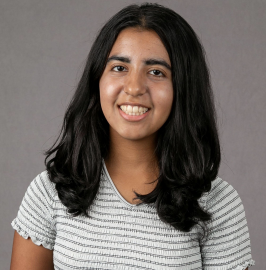
Rhea Morani
Rhea Morani (she/her) is a sophomore at Carnegie Vanguard High School with a strong interest in using technology to expand access to healthcare. She has developed machine learning-driven projects focused on early glaucoma detection and rapid identification of brain hemorrhages, aiming to improve diagnostic speed and accessibility in underserved and rural communities. Alongside her research, Rhea is involved in community service and advocacy, particularly supporting children and families facing systemic barriers. She serves as a Junior Director and school club President for Home Run Hitters International, where she helps lead inclusive programs for children with disabilities, trains volunteers, and organizes fundraisers raising thousands for adaptive equipment. Rhea is also active in refugee advocacy through Kindred Vanguard and Amnesty International, where she organizes community events, teaches STEM concepts, and distributes school supplies to low-income refugee children. Through both her research and service, she is interested in addressing disparities in healthcare and education while building more inclusive, supportive communities.
-
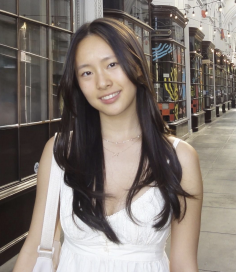
Lucie Jiang
Lucie Jiang (she/her) is a rising senior at Harriton High School, located in the suburbs right outside of Philadelphia. At school, she serves as co-captain of her public forum debate team, competes at the national level for Science Olympiad, plays varsity tennis, and writes for the school paper. She is interning at a biology lab at the University of Pennsylvania over the summer, and has a strong interest in biotech. Lucie hopes to address pharmaceutical inequities and use biotech to help others. Since junior year, she has been volunteering as part of the National Honors Society, which has included food drives at a local community center, tutoring in Chemistry, and mentoring students at a summer STEM camp at Lower Merion High School. Also very interested in art, she paints in her free time.
-
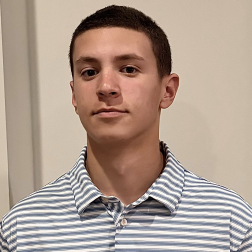
Gavin Salon
A junior in high school attending the Bullis School in Potomac, Maryland, Gavin Salon (he/him) is actively engaged in service, advocacy, and athletics within his community. He is a varsity lacrosse player, balancing his commitment to sports with meaningful service initiatives. He has participated in the SCOPE Foundation, playing various sports to help raise funds for children who cannot afford to attend summer camp. Demonstrating leadership and initiative, he founded the CLEO chapter at Bullis, an organization dedicated to assisting senior citizens with their technology needs. Through this work, he has helped bridge the digital divide and foster meaningful intergenerational connections. He has also contributed to the Next Generation Board at the United States Holocaust Memorial Museum, supporting efforts to bring in young patrons and raise awareness about Holocaust history. He has a passion for real estate, with a particular focus on expanding access to affordable housing and supporting low-income communities. His involvement reflects a commitment to service, leadership, and lasting community impact.