Global Troublemaker: Bayard Rustin and Satyagraha
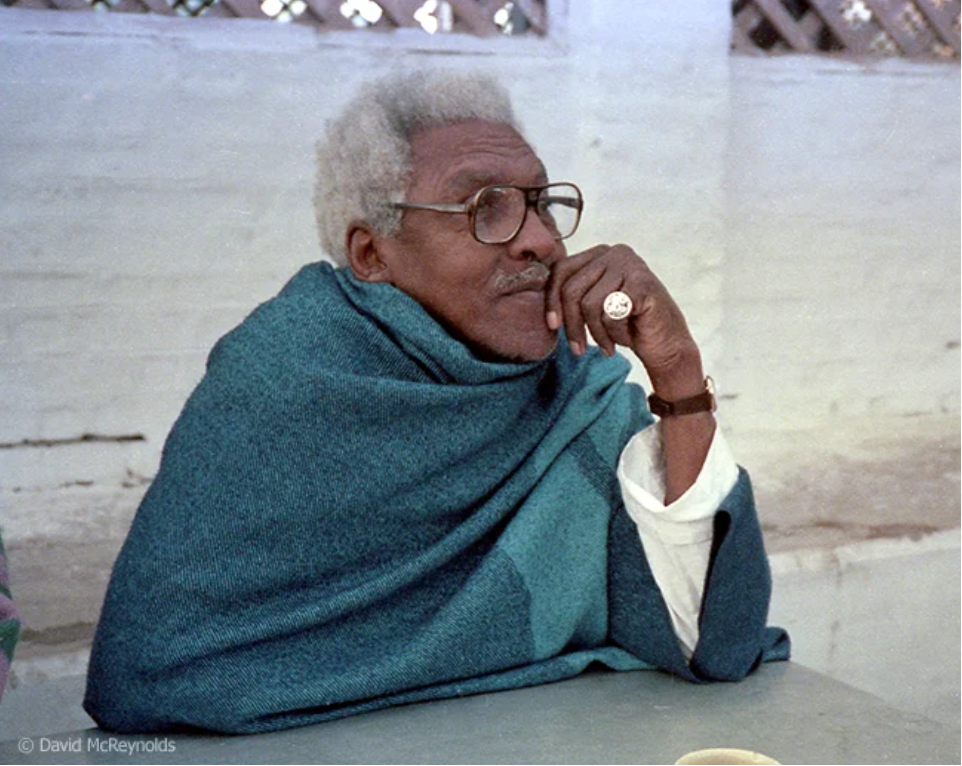
This paper argues that Bayard Rustin’s interactions with South Asia and Asia meant that Black freedom struggles were shaped internationally through ongoing exchanges with the wider decolonizing world. Furthermore, it demonstrates that Rustin was an integral translator of Asian political philosophy into the American Civil Rights movement, without whom the modern civil rights movement as we know it, would not exist. His life’s work in advocacy and activism also shaped conversations about human rights and democracy in the post-colonial world–making his impact and legacy international. Finally, this paper makes the case that Bayard Rustin specifically, his background and his lived experience, primed him to understand and translate philosophies of non-violence into the Civil Rights movement.
About Shreya Joshi
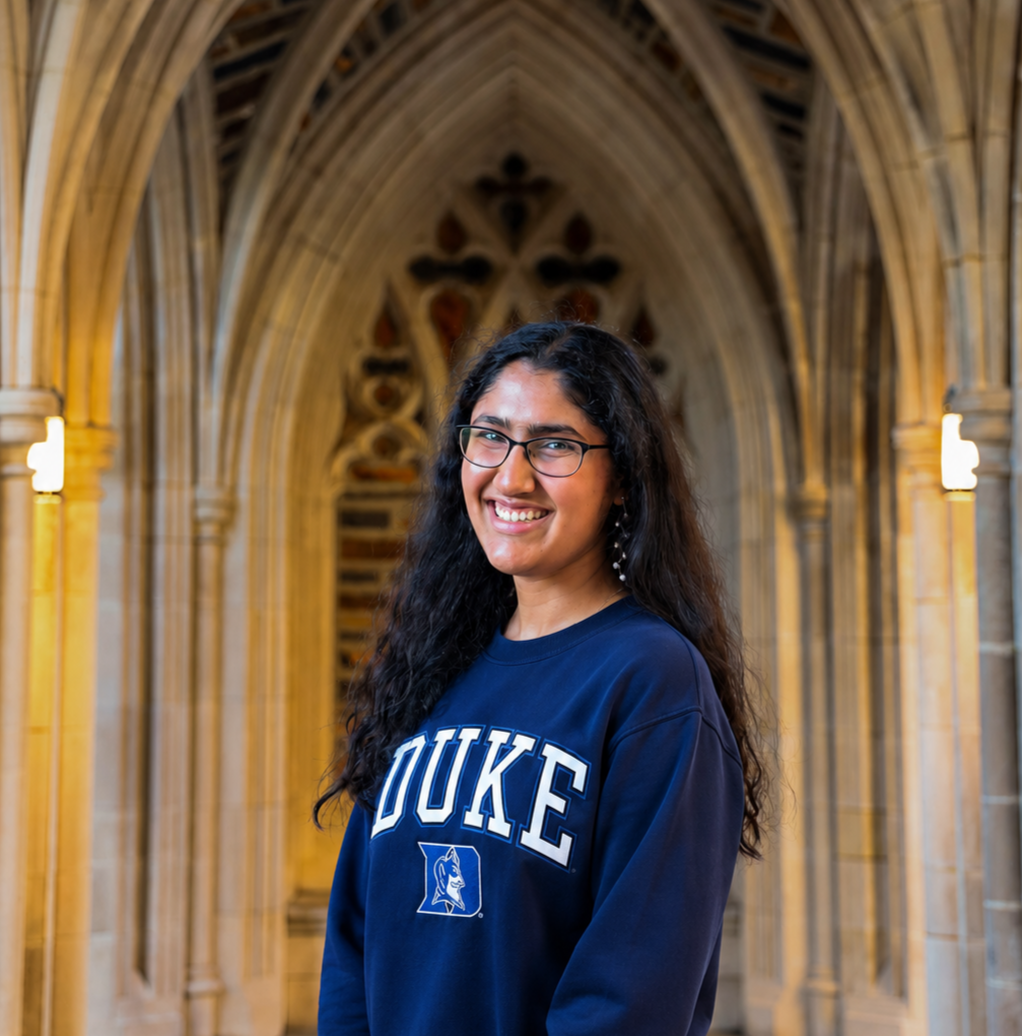
Shreya Joshi (she/her) is an emerging scholar, researcher, and advocate pursuing a degree in International Comparative Studies at Duke University. Originally from Des Moines, Iowa, she has developed a strong interdisciplinary focus on global justice, migration, racialization, and public policy through both academic research and community engagement. A Mellon Mays Undergraduate Fellow and Duke Summer Undergraduate Research Fellow, Shreya has conducted research on South Asian racialization, oral histories, and the relationship between arts and community advocacy. She also previously led the development of an AAPI history curriculum initiative that reached more than 55,000 students in her school district while facilitating youth-centered workshops on advocacy, debate, and gender-based violence prevention.
This summer, Shreya will serve as a research intern with The Rustin Institute for Leadership Development, where she will focus on Bayard Rustin’s international advocacy and its relevance to contemporary public policy and coalition-building efforts today.