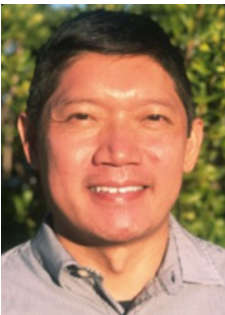
Rooted & Rising: Intergenerational Leadership in Action
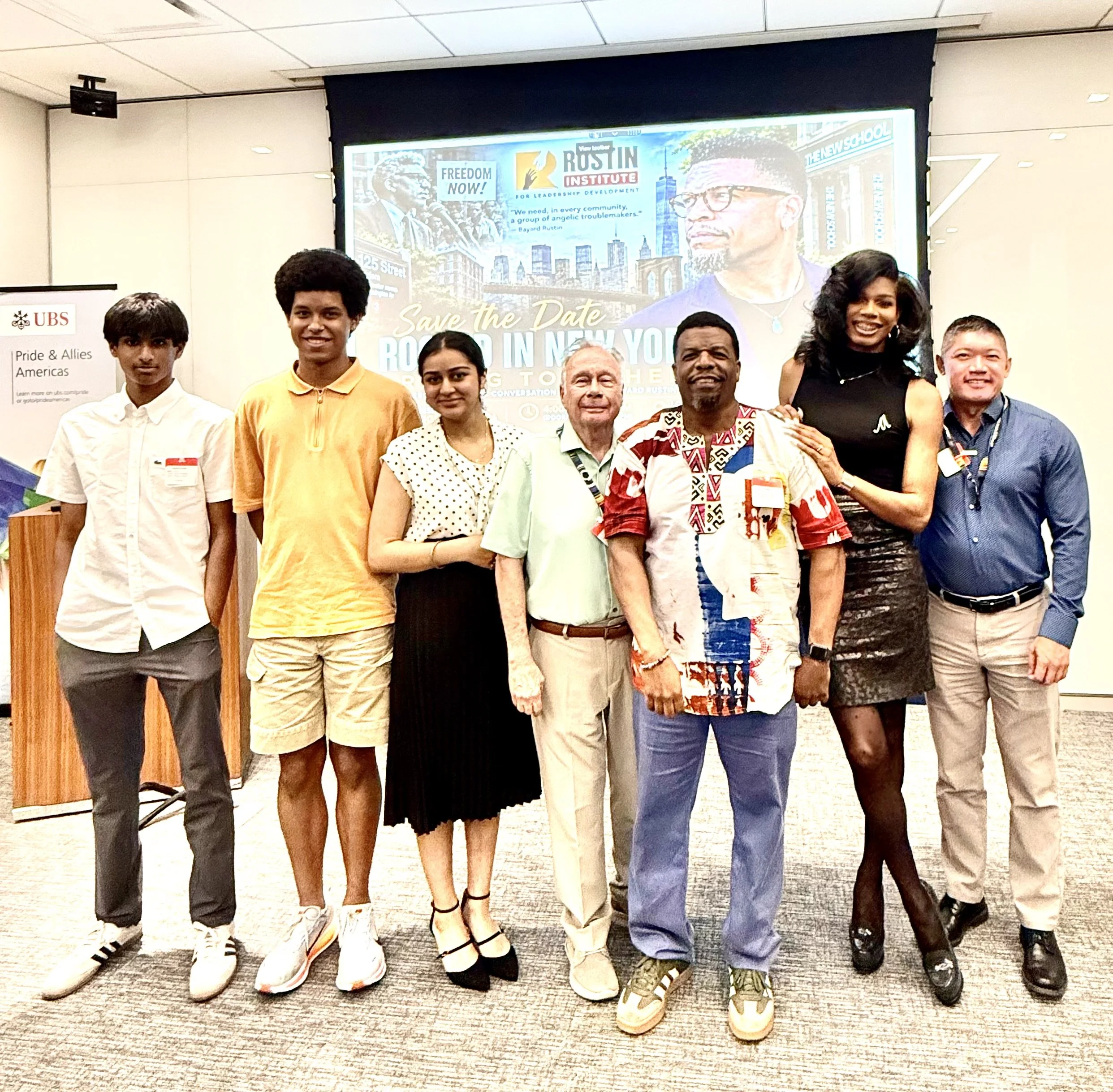
On August 18, 2026, The Rustin Institute hosted the Rooted & Rising conversation series in New York City, a national dialogue honoring Bayard Rustin’s legacy by bringing together leaders across generations. While the event included multiple components, this blog focuses specifically on the panel discussion, which served as the centerpiece of the program. Moderated by Tim’m West, Founder of The Rustin Institute, the panel explored how mentorship, research, lived experience, and courageous leadership shape more just communities.
The series is grounded in a core belief that has shaped my own work: leadership is reciprocal. Every generation carries wisdom, and every generation has more to learn. This panel offered a powerful demonstration of that truth.
Research as a Pathway to Leadership: Dr. Nhan Truong
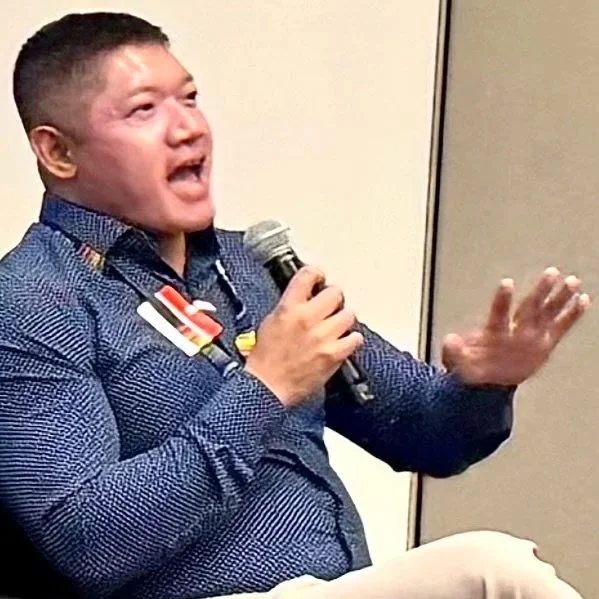
I opened the panel by sharing how research has shaped my leadership philosophy. For me, research is not something that happens after leadership, it is one of the ways we lead. I highlighted three principles that have guided my journey: critical thinking, deep listening, and reciprocity.
Critical thinking requires slowing down, questioning assumptions, and asking better questions rather than rushing toward easy answers. Deep listening comes from both methodological rigor and community engagement; it means recognizing that community members are experts in their own lived experiences. I also reflected on my time as an Assistant Professor at Tougaloo College, an HBCU (Historically Black College and University) in Tougaloo, MS with a legacy of civil rights action. Having mentored undergraduate Psychology students on a health disparities study taught me as much about the African-American community in Jackson, MS as I taught them about research. That experience continues to remind me that leadership is a reciprocal exchange.
Mentorship Across Identities: Jennifer Barnes Balenciaga
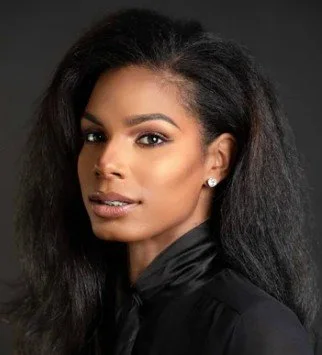
Jennifer Barnes Balenciaga, Acting Director of the Equity Shall Prevail (ESP) Fellowship, spoke next. She reflected on how her experiences as both a mentee and mentor have shaped her leadership. As a Black woman of trans experience, she described the importance of mentors who shared her intersecting identities and understood her challenges. Now leading ESP’s leadership development and civic engagement initiatives, she emphasized how mentorship is strengthened when emerging advocates and community leaders teach us as much as we teach them.
Emerging Leaders: NYAC Fellows Share Their Work
Tim’m West then invited our NYAC fellows to share their research projects, each offering a glimpse into how youth leaders are addressing urgent social justice issues.
Krithik Devarajan (NYAC 2025–2026)
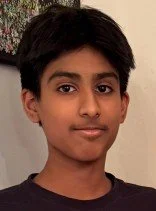
Krithik discussed his NYAC team’s research project, Its4Advocacy, which explores the evolving relationship between technology and activism. Through the development of an online public platform, his team’s work connects STEM and IT app creators (aka “techies”) with social justice advocate visionaries (aka “fuzzies”) to foster deeper, equity-centered collaboration.
Rusna Kaur (NYAC 2026–2027)

Rusna shared her NYAC team’s research project on mental health in the Sikh community. As a Sikh woman, she highlighted how often Sikh voices are overlooked and how her project examines the intersections of faith, culture, and mental health.
Troy Stevenson-House (NYAC 2026–2027)

Troy presented his NYAC team’s work on the equitable and ethical use of AI. He raised concerns about disparities in students’ access to AI tools and the environmental impact of data centers, including water and electricity usage.
Conclusion: Building a More Just Future Together
The panel affirmed the importance of intergenerational relationships and lifelong learning. Mentors pass down wisdom, and emerging leaders bring fresh insight into today’s most pressing social justice issues. Through these reciprocal exchanges, we strengthen our collective ability to imagine, and build, a more just future.