
recovery Has A ZIP Code
Stroke, Storytelling, and Geographic Inequities in Brain Health
Abstract
Stroke is the leading cause of long-term disability in the United States, yet its effects extend far beyond the individual survivor. Families often face significant emotional, social, and lifestyle changes following a stroke, while children are frequently left out of conversations about what is happening and why. This challenge can be particularly pronounced in underserved communities, where barriers related to healthcare access, geography, income, and health literacy may further limit access to information and support. Through literature reviews and interviews with researchers, healthcare providers, and stroke survivors, we will examine stroke prevalence and disparities, lifestyle changes following stroke, and strategies that help survivors maintain quality of life, while also considering how social and structural factors influence recovery and family experiences. At the 2026 IGNYTE Symposium, we plan to explore ways to consolidate these perspectives and utilize them to create resources expanding access to stroke recovery. Through this work, we aim to both increase access to brain-health education and ensure that children are included in conversations about conditions that affect the people they love.
Meet the Team
-
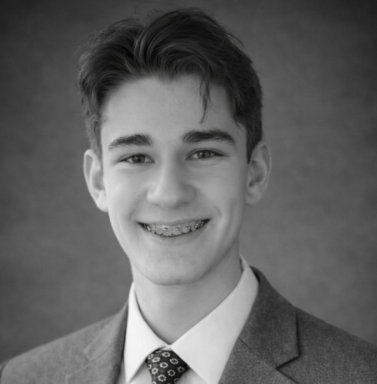
Alex Coon
Alex Coon (he/him) is a sophomore at the McDonogh School in Owings Mills, MD. Alex has a unique perspective growing up in both Baltimore, Maryland and Tucson, Arizona. While these communities seem very different, they share a common challenge of lacking access to health education, and have little understanding of stroke risk factors and the need for immediate care if symptoms occur. Alex has conducted stroke-related research, has leveraged his understanding of robotic engineering to understand stroke intervention techniques, and has used his Spanish language skills to develop stroke awareness materials targeted at Spanish-speaking and indigenous populations. Alex's goal in participating in NYAC is to engage his peers in his campaign for Stroke awareness education in underserved communities and foster additional community programs in other geographies. At school, Alex serves as an Orange Key Ambassador, a leader on the First Tech Challenge Robotics Team, youth mentor through the Baltimore Building Bridges program, and a member of the concert band.
-
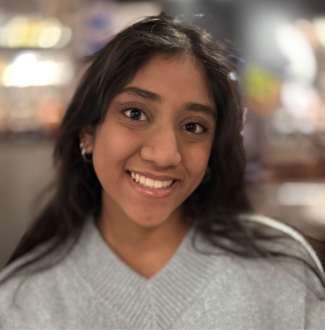
Aadya Gupta
Aadya Gupta (she/her), a freshman at Neuqua Valley High School in Naperville, IL, is passionate about healthcare and its community impact. She is especially interested in raising awareness by creating a website around neurodegenerative disorders, with a focus on making reliable scientific information more accessible to families and caregivers. She is also interested in how a person’s socio-economic status impacts their access to reliable healthcare and healthy lifestyles. Aadya is committed to amplifying youth voices and advocating for more inclusive conversations in healthcare and education. She hopes to bridge the gap between research and real-world impact by combining science and communication to support underserved communities.
-
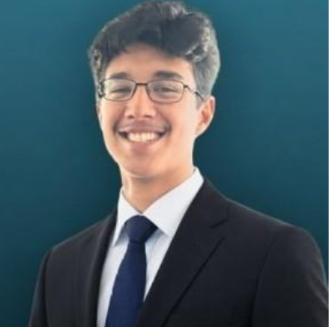
Yash Kini
Yash Kini (he/him) is a sophomore at James Madison High School with a strong interest in neuroscience, music, and public advocacy. He is the founder of Rising Representatives, a nonprofit organization dedicated to expanding access to public speaking education and empowering youth voices through civic engagement initiatives. Through this work, he has organized workshops and programs that have reached dozens of students while raising funds to provide free communication training. Yash has also supported gun violence prevention efforts by inviting state delegates to engage with students and helping organize advocacy initiatives, including efforts to lobby at the capitol building. He also volunteers in clinical settings, supporting patient care and administrative operations in emergency and oncology departments. In addition, he contributes to scientific outreach as a reviewer for Frontiers for Young Minds and leads a student journal club to make complex research more accessible to peers. He is also developing NeuroThread, a platform that explores the intersection of music, brain health, and policy through educational content and community-based programming. Across his work, Yash focuses on using interdisciplinary approaches to create meaningful, real-world impact.